
Lifestyle Medicine and Chronic Disease: The Power of Prevention
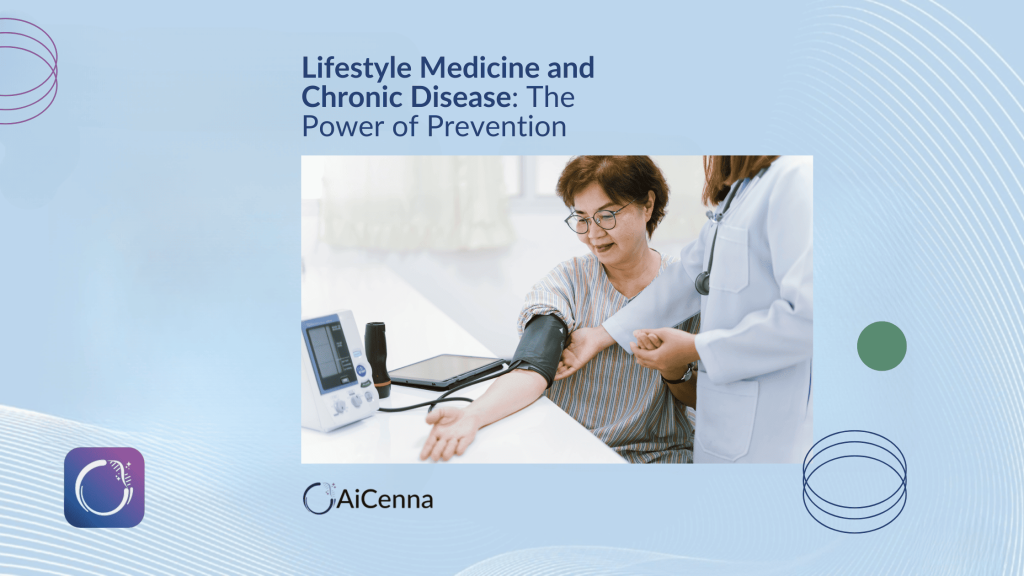
Introduction Chronic diseases — including cardiovascular disease, diabetes, cancer, and chronic respiratory conditions — account for over 70% of global deaths each year according to the World Health Organization (WHO). These conditions are often thought of as inevitable consequences of aging, but decades of research show that they are largely preventable. The emerging field of lifestyle medicine focuses on using evidence‑based lifestyle interventions — nutrition, physical activity, sleep, stress management, social connection, and avoidance of risky substances — as the foundation of prevention and treatment. This article explores the science behind lifestyle medicine, its clinical applications, and its potential to reshape healthcare. What Is Lifestyle Medicine? Lifestyle medicine is the clinical application of healthy lifestyle interventions to prevent, treat, and often reverse chronic disease. It is not alternative medicine; it is grounded in peer‑reviewed science and endorsed by major medical organizations. Core pillars include: (Reference: American College of Lifestyle Medicine, 2020.) Nutrition: Food as Medicine Evidence: The PREDIMED trial (NEJM, 2013) showed a 30% reduction in major cardiovascular events among high‑risk individuals following a Mediterranean diet supplemented with nuts or olive oil. Physical Activity: The Universal Prescription (Reference: Lancet, 2012 — Global Burden of Disease study on physical inactivity.) Sleep: The Overlooked Pillar (Reference: Walker, M. “Why We Sleep,” 2017; Cappuccio et al., Eur Heart J, 2011.) Stress Management: Calming the System (Reference: Kabat‑Zinn, JAMA, 1998; Chiesa & Serretti, Psychosom Med, 2009.) Social Connection: A Hidden Determinant of Health (Reference: Holt‑Lunstad et al., PLoS Medicine, 2010.) Avoidance of Risky Substances (Reference: WHO Global Report on Alcohol and Health, 2018.) Clinical Evidence for Lifestyle Medicine 1. Diabetes Prevention Program (DPP) 2. Ornish Lifestyle Heart Trial 3. Hypertension Barriers to Implementation The Future of Lifestyle Medicine (Reference: Lancet Public Health, 2021 — “Lifestyle medicine and the future of healthcare.”) Conclusion Chronic diseases are not inevitable. Lifestyle medicine demonstrates that simple, evidence‑based changes in daily habits can prevent, treat, and even reverse many of the world’s leading killers. The challenge is not whether lifestyle medicine works — the evidence is overwhelming. The challenge is how to integrate it into healthcare systems, medical education, and public policy. If achieved, lifestyle medicine could shift the focus of healthcare from managing disease to creating health.
Microbiome Science Linking Gut Health to Disease Prevention
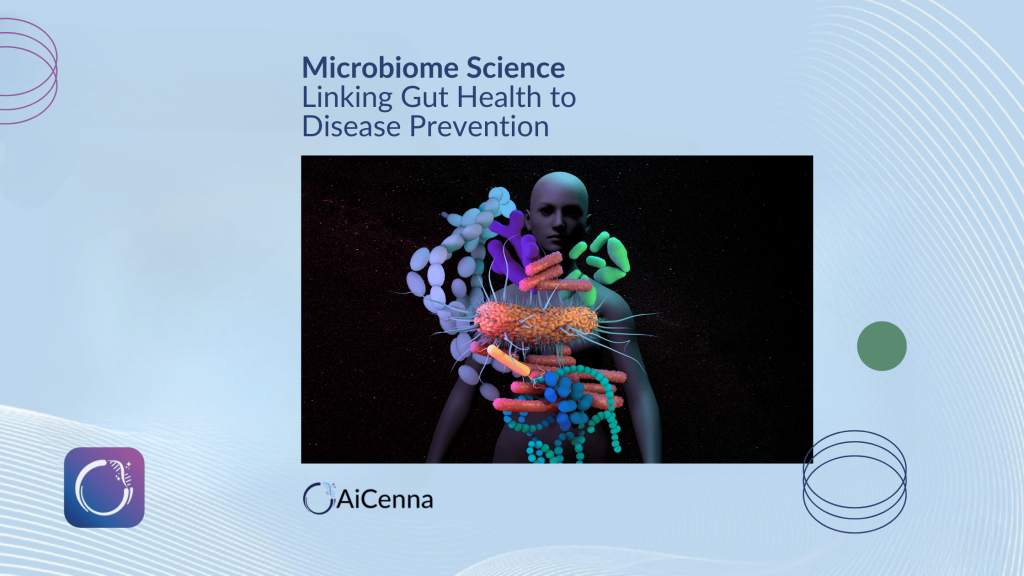
Introduction In recent years, “gut health” has become a buzzword in wellness circles. Supermarket shelves are lined with probiotic drinks, fiber supplements, and fermented foods promising to “balance your microbiome.” But beyond the marketing, there is a growing body of rigorous science showing that the trillions of microbes living in our intestines — collectively known as the gut microbiome — play a central role in human health. Far from being passive passengers, these microbes influence digestion, immunity, metabolism, and even brain function. When the microbiome is disrupted, the consequences can ripple across the body, contributing to chronic diseases ranging from obesity to depression. Understanding the microbiome is not just a scientific curiosity; it is becoming a cornerstone of preventive medicine. What Is the Gut Microbiome? The human gut contains an estimated 100 trillion microorganisms, outnumbering human cells by roughly 10 to 1. These include bacteria, viruses, fungi, and archaea. Collectively, they carry more than 3 million genes, vastly outstripping the human genome. Key features: (Reference: Human Microbiome Project Consortium, Nature, 2012.) The Gut as an Immune Organ Approximately 70% of the immune system resides in the gut. Specialized immune cells interact constantly with microbes, learning to distinguish friend from foe. When microbial balance is disrupted — a state called dysbiosis — the immune system may overreact, fueling chronic inflammation. (Reference: Belkaid & Hand, Science, 2014.) Gut Health and Chronic Disease 1. Obesity and Metabolic Syndrome 2. Cardiovascular Disease 3. Autoimmune Disorders 4. Cancer 5. Mental Health (References: Turnbaugh et al., Nature, 2006; Wang et al., NEJM, 2011; Cryan & Dinan, Nat Rev Neurosci, 2012.) Everyday Factors That Shape the Microbiome (References: Sonnenburg & Sonnenburg, Cell, 2014; Dominguez‑Bello et al., Science Translational Medicine, 2010.) Interventions to Support Gut Health 1. Diet as Medicine 2. Probiotics and Supplements 3. Fecal Microbiota Transplantation (FMT) 4. Lifestyle Approaches (References: Lancet Gastroenterology, 2017; Clinical Microbiology Reviews, 2019.) The Future of Microbiome Medicine (Reference: Nature Medicine, 2021 — microbiome therapeutics review.) Conclusion The gut microbiome is not just a passive collection of microbes — it is an active organ that shapes immunity, metabolism, and even mental health. Preventive medicine is increasingly recognizing that nurturing gut health may be as important as managing blood pressure or cholesterol. While the science is still evolving, certain principles are clear: eat a diverse, fiber‑rich diet, avoid unnecessary antibiotics, manage stress, and support microbial diversity. By doing so, we may reduce the burden of chronic disease and move closer to a model of healthcare that is proactive rather than reactive.
Digital Twins in Oncology: Simulating Cancer Progression for Better Treatment
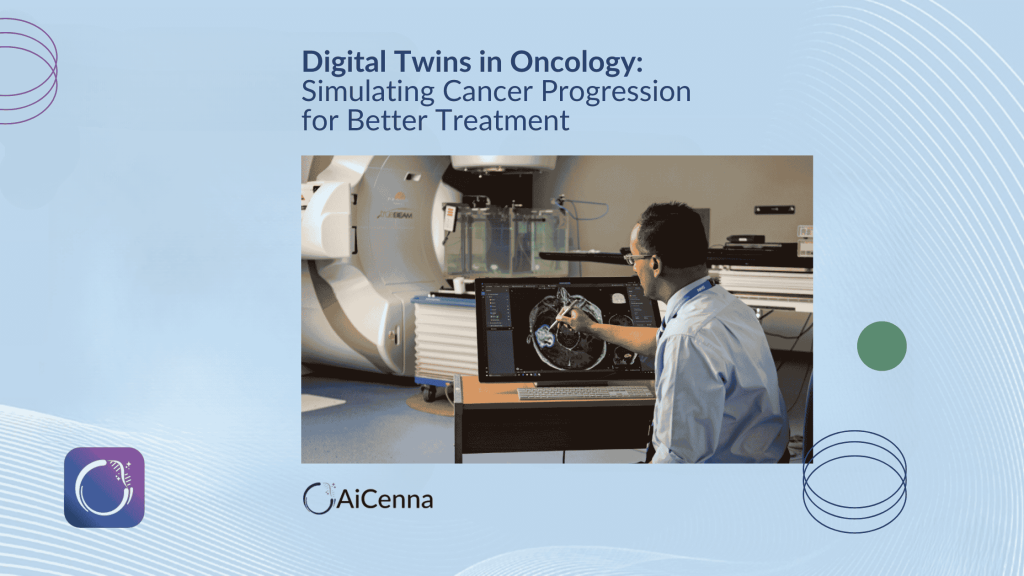
Introduction Cancer remains one of the most complex and devastating diseases of our time. Despite advances in surgery, chemotherapy, immunotherapy, and precision medicine, predicting how a tumor will behave in a specific patient remains a major challenge. Two patients with the same diagnosis can respond very differently to the same treatment. Enter the digital twin: a virtual replica of a patient’s tumor and body, built from imaging, genomic, and clinical data. In oncology, digital twins offer the possibility of simulating cancer progression and testing therapies in silico — before applying them in real life. This approach could transform cancer care from reactive to predictive, enabling doctors to choose the right treatment at the right time for each individual. What Is a Digital Twin in Oncology? A digital twin in oncology is a computational model that mirrors the biology of a patient’s cancer. It integrates: The twin is continuously updated as new data are collected, making it a “living model” of the patient’s cancer. (Reference: Björnsson et al., Nat Rev Clin Oncol, 2020 — “Digital twins in oncology.”) Why Oncology Needs Digital Twins Cancer is not a single disease but hundreds of distinct conditions with unique molecular drivers. Traditional clinical trials provide population‑level evidence, but they cannot capture the full variability of individual patients. Digital twins address these challenges by allowing personalized simulations of disease progression and treatment response. Applications of Digital Twins in Cancer Care 1. Predicting Tumor Growth and Progression 2. Optimizing Treatment Selection 3. Monitoring Resistance 4. Surgical and Radiation Planning 5. Clinical Trials and Drug Development Case Studies and Emerging Evidence Benefits for Patients and Clinicians Challenges and Limitations 1. Data Integration 2. Validation 3. Computational Demands 4. Ethical and Privacy Concerns 5. Equity (Reference: Nature Medicine, 2021 — “Ethical challenges of digital twins in healthcare.”) The Future of Digital Twins in Oncology (Reference: Corral‑Acero et al., Eur Heart J, 2020 — digital twin frameworks in medicine.) Conclusion Digital twins in oncology represent a paradigm shift in cancer care. By simulating tumor progression and treatment response, they offer the potential to move from reactive treatment to proactive, predictive, and personalized medicine. While challenges remain in data integration, validation, and equity, the trajectory is clear: digital twins could become a cornerstone of oncology, helping doctors choose the right therapy at the right time — and ultimately improving survival and quality of life for millions of patients.
Vaccines in the 21st Century: Beyond COVID‑19 and Into Personalized Immunization
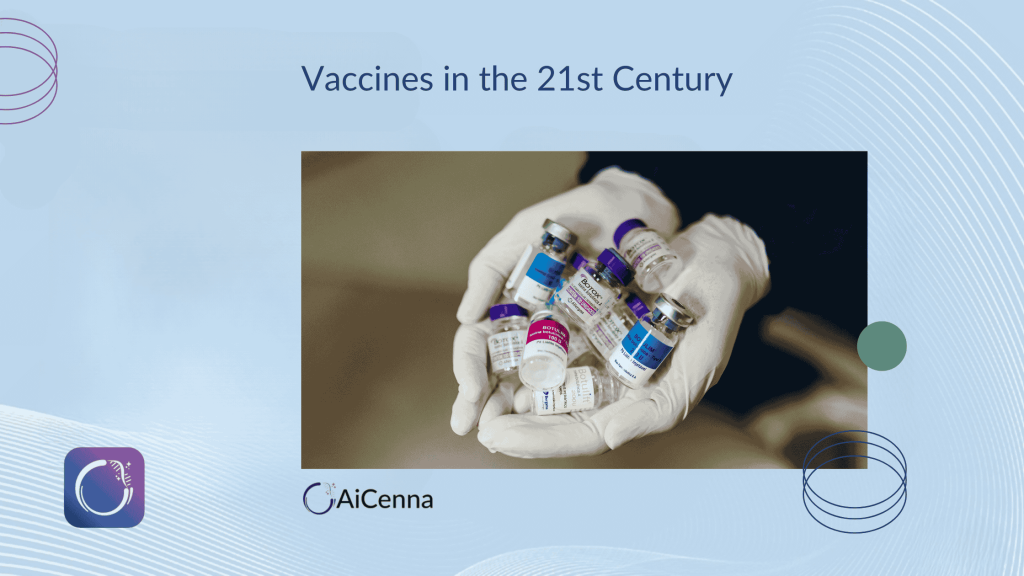
Vaccines are among the most successful public health interventions in history. They have eradicated smallpox, nearly eliminated polio, and dramatically reduced childhood mortality worldwide. The COVID‑19 pandemic reminded the world of their importance, but it also accelerated a new era of vaccine science. Messenger RNA (mRNA) platforms, rapid global distribution, and unprecedented collaboration showed what is possible when urgency meets innovation. Yet the story of 21st‑century vaccines goes far beyond COVID‑19. Researchers are now exploring personalized immunization, cancer vaccines, and novel delivery systems that could transform how we prevent and treat disease. This article explores the science, challenges, and future of vaccines in the modern age. Table of Content: A Brief History of Vaccination (Reference: Plotkin, S. “History of vaccination.” Proc Natl Acad Sci USA, 2014.) Traditional Vaccine Platforms Before the mRNA revolution, vaccines were developed using several well‑established methods: These approaches remain effective but often require long development timelines and complex manufacturing. The mRNA Revolution The COVID‑19 vaccines from Pfizer‑BioNTech and Moderna demonstrated the power of mRNA technology: Beyond COVID‑19, mRNA vaccines are being tested for influenza, Zika, HIV, and even cancer. (References: Polack et al., NEJM, 2020; Baden et al., NEJM, 2021.) Cancer Vaccines: A New Frontier Unlike traditional vaccines that prevent infection, cancer vaccines aim to treat existing disease by training the immune system to recognize tumor‑specific antigens. Clinical trials are underway for melanoma, lung cancer, and pancreatic cancer. (Reference: Sahin & Türeci, Nature Reviews Drug Discovery, 2018.) Personalized Immunization The future of vaccines may be tailored to the individual: This approach could optimize protection while minimizing side effects. (Reference: Nature Medicine, 2021 — “Personalized vaccines and the future of immunization.”) Novel Delivery Systems Traditional injections may not be the only way to vaccinate in the future. Researchers are developing: (Reference: Lancet Infectious Diseases, 2020.) Global Equity and Challenges Despite scientific progress, challenges remain: (References: WHO Global Vaccine Report, 2022; UNICEF vaccine equity data.) Ethical Considerations (Reference: Hastings Center Report, 2021.) The Future of Vaccines Looking ahead, vaccines may: The ultimate vision is a world where vaccines are personalized, accessible, and preventive across the lifespan. Conclusion Vaccines in the 21st century are no longer limited to childhood shots or seasonal flu jabs. They are evolving into a diverse toolkit that includes mRNA platforms, cancer immunotherapies, and personalized formulations. While challenges of equity, access, and ethics remain, the trajectory is clear: vaccines will continue to be at the heart of preventive medicine, shaping not only how we fight infectious diseases but also how we approach chronic illness and global health. For more health related content, visit AiCenna.
How Doctors Balance Empathy with Evidence-Based Medicine
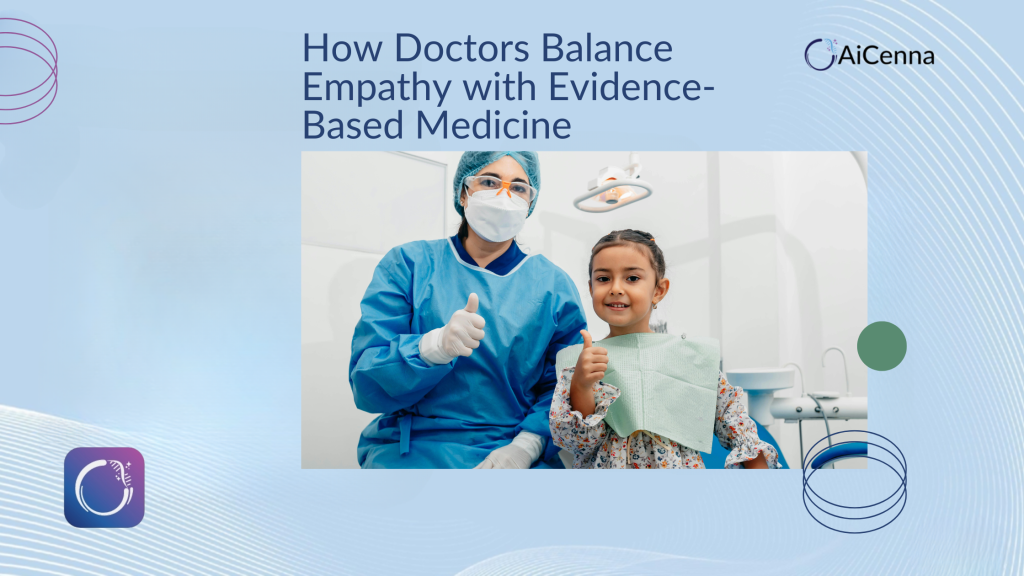
Medicine is both a science and an art. While evidence-based practice provides doctors with guidelines rooted in rigorous studies, empathy ensures that patients feel seen, heard, and cared for. Balancing these two dimensions is often the hardest — and most rewarding — part of being a physician. The Rise of Evidence-Based Medicine Evidence-based medicine (EBM) emerged to improve consistency in care by relying on high-quality research, clinical trials, and meta-analyses. Rather than decisions being guided solely by tradition or individual physician opinion, EBM provides a framework that emphasizes outcomes and safety. For instance, guidelines on managing hypertension are derived from decades of randomized controlled trials. Similarly, antibiotic stewardship programs are built on evidence showing how misuse accelerates resistance. Where Empathy Fits In But patients are not statistics. They bring individual fears, cultural backgrounds, and unique life circumstances to every clinical encounter. A doctor prescribing the most scientifically validated treatment may still fail if the patient doesn’t feel understood or if the regimen doesn’t fit their lifestyle. Empathy translates complex science into human care. It acknowledges the patient who can’t afford a brand-name drug, the single mother who can’t prioritize her own physical therapy, or the elderly man who fears losing independence more than facing side effects. When Evidence and Empathy Clash Sometimes evidence and empathy appear to diverge. Consider cancer treatment: clinical data may suggest aggressive chemotherapy as the best chance for survival, but a patient may value quality of life over a few more months. Here, empathy ensures the doctor respects patient autonomy. The Doctor’s Role as Interpreter Doctors are ultimately interpreters of science. They read journals, analyze trial outcomes, and evaluate guidelines — then translate them into language that patients can relate to. Empathy bridges the gap between data and lived experience. Training for Both Skills Medical education increasingly emphasizes communication skills and shared decision-making alongside scientific rigor. Empathy is no longer seen as “soft” medicine, but as a measurable contributor to adherence, recovery, and satisfaction. Modern health technology platforms like AiCenna help strengthen this bridge, giving doctors real-time insights that make conversations more personalized without losing sight of the evidence. Conclusion Balancing empathy and evidence is not an either/or equation. It is about blending data-driven recommendations with the human touch, ensuring care is both effective and compassionate.
How Doctors Read Lab Results: More Than Just Numbers
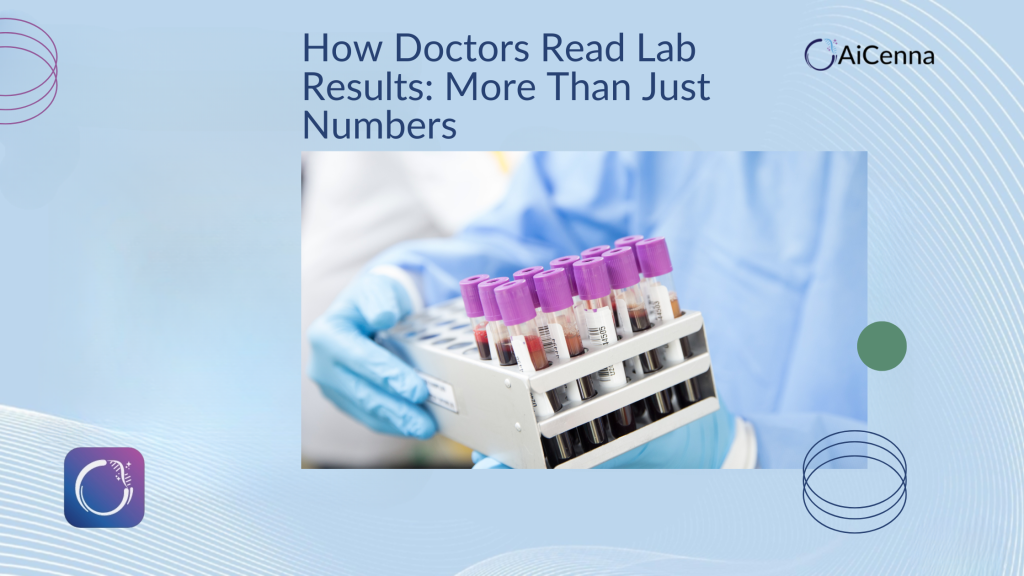
When patients get their lab results, the first instinct is often to scan for anything labeled “high” or “low.” But for doctors, interpreting these numbers goes far beyond red flags on a printout. Lab values are part of a much bigger picture—your overall health, medical history, and symptoms. Context Matters For example, a slightly elevated cholesterol reading may not be alarming if the patient has no risk factors for heart disease. On the other hand, the same result could raise concern in someone with a family history of cardiac issues. Similarly, lab ranges are not rigid cutoffs; they represent averages, and individual patients may fall outside them without necessarily being unhealthy. Patterns Over Time Doctors rarely look at a single test in isolation. Instead, they compare values over time. A gradual rise in blood sugar over several months, even if still “normal,” can signal early diabetes risk. The trajectory often matters more than the number itself. The Human Factor Doctors also integrate lab results with physical exams and patient-reported symptoms. For instance, a normal thyroid test might not rule out thyroid disease if the patient shows consistent fatigue, hair loss, and other warning signs. Medicine requires blending objective data with clinical judgment. Why It Matters Understanding this process can help patients avoid panic over isolated results or false reassurance from “normal” readings. It’s about recognizing that lab values are clues, not verdicts. Where AiCenna Fits In AI-driven platforms like AiCenna are being developed to assist doctors in analyzing lab results more efficiently by spotting subtle patterns and trends. While no technology replaces a physician’s judgment, solutions like AiCenna enhance the ability to connect numbers with context—helping ensure patients get the most accurate and timely care.