
5 Lifestyle Changes Doctors Recommend to Prevent Chronic Diseases

Chronic diseases such as heart disease, diabetes, and hypertension are among the leading causes of disability and premature death worldwide. The encouraging truth, however, is that many of these conditions can be prevented (or significantly delayed) by making intentional lifestyle changes. As physicians, we emphasize prevention because it empowers patients to take control of their long-term health. 1. Adopt a Balanced Diet Nutrition plays a central role in disease prevention. A diet rich in fruits, vegetables, whole grains, lean proteins, and healthy fats has been consistently linked with reduced risks of cardiovascular disease and type 2 diabetes (Harvard T.H. Chan School of Public Health, 2021). Cutting down on processed foods, sugar, and excessive sodium is equally crucial. 2. Prioritize Regular Exercise The World Health Organization recommends at least 150 minutes of moderate aerobic activity per week. Exercise not only strengthens the heart and lungs but also improves insulin sensitivity, lowers blood pressure, and helps maintain a healthy weight. 3. Maintain a Healthy Weight Obesity is a leading risk factor for multiple chronic conditions. Even a modest weight loss of 5–10% can significantly lower blood sugar, cholesterol, and blood pressure levels. 4. Quit Smoking and Limit Alcohol Smoking remains a top preventable cause of cancer and heart disease. Similarly, excessive alcohol intake damages the liver, increases cancer risks, and contributes to hypertension. Doctors strongly advocate cessation and moderation strategies. 5. Manage Stress and Sleep Chronic stress and poor sleep habits are silent contributors to disease. Techniques like mindfulness, meditation, and maintaining sleep hygiene can reduce cortisol levels and promote overall wellness. In summary, prevention is far more powerful, and less costly, than treatment. By embracing these changes, patients can dramatically improve their quality of life. AiCenna complements this preventive approach by helping healthcare providers track and support patients in adopting healthier habits through data-driven insights.
The Power of Early Diagnosis in Healthcare
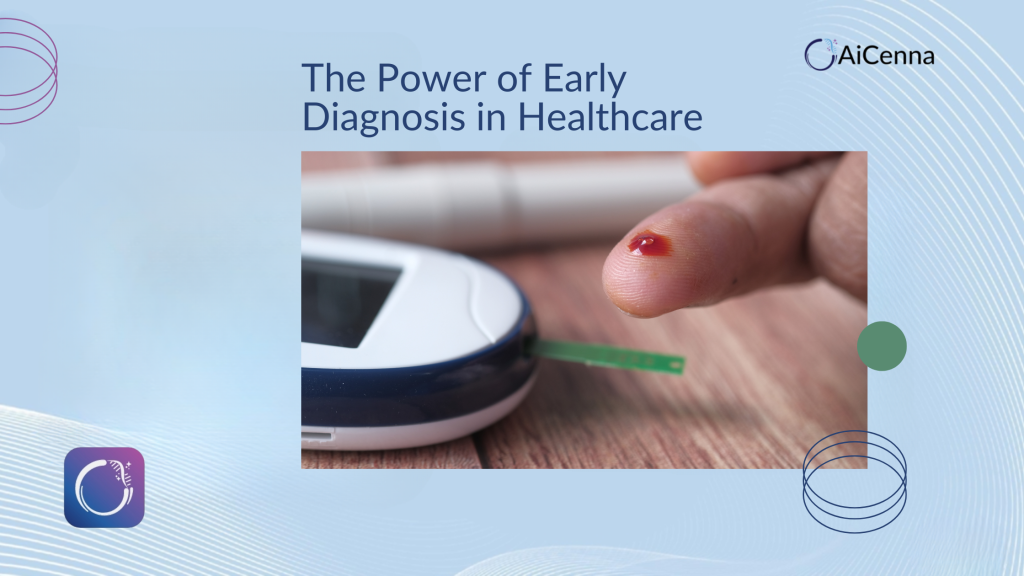
Early diagnosis is one of the most powerful tools in modern medicine. Doctors emphasize that catching diseases at their earliest stages can dramatically improve treatment outcomes, extend life expectancy, and lower overall healthcare costs. The importance of early detection has never been clearer, especially as chronic illnesses and cancers remain leading causes of death worldwide. Why Early Diagnosis Matters When a condition is identified early, treatment can begin before it progresses into a more dangerous or untreatable stage. For example, detecting high blood pressure before it causes a stroke, or spotting breast cancer through a routine mammogram, can be the difference between life and death. Doctors often remind patients that diseases don’t appear overnight. They develop silently, often with no visible symptoms. Early diagnosis bridges the gap between hidden illness and actionable treatment, giving physicians the chance to intervene at the most critical time. Diagnostic Technology Advancements The last two decades have witnessed remarkable improvements in diagnostic tools. Imaging technologies such as MRI, CT scans, and PET scans provide unprecedented detail, allowing doctors to detect tumors and abnormalities earlier. Similarly, blood-based biomarkers are increasingly being used to detect cancer, Alzheimer’s, and other conditions at a stage when treatments are more effective. Artificial intelligence has also entered the diagnostic field. Machine learning algorithms can now analyze medical images faster than radiologists, spotting subtle abnormalities that the human eye might miss. Platforms like AiCenna are working on enhancing diagnostic accuracy by combining clinical data, patient history, and AI-powered predictive models to help doctors spot conditions earlier. The Role of Routine Screenings Doctors recommend regular screenings as one of the most reliable ways to ensure early diagnosis. Screenings for cholesterol, blood sugar, blood pressure, and cancer markers can catch warning signs long before symptoms appear. Take colon cancer as an example: colonoscopies have helped reduce mortality rates significantly by catching precancerous polyps before they develop into tumors. Similarly, pap smears and HPV tests are vital tools in reducing cervical cancer rates worldwide. The key challenge remains patient compliance. Many people avoid or delay screenings due to fear, lack of awareness, or financial concerns. Doctors continue to push for greater education and accessibility to routine preventive screenings. Personalized Medicine and Genetic Testing Genetic testing has opened new doors in early diagnosis. By analyzing a patient’s DNA, doctors can identify inherited risks for diseases such as breast cancer (BRCA mutations), Huntington’s disease, or certain cardiovascular conditions. This allows for proactive monitoring and lifestyle adjustments long before illness develops. Personalized medicine doesn’t just predict disease, it tailors early diagnostic strategies to each individual. A patient with a genetic predisposition to heart disease, for example, might undergo more frequent cholesterol and blood pressure monitoring compared to someone without that risk. Barriers to Early Diagnosis Despite its benefits, early diagnosis faces several barriers. In low-resource settings, lack of access to diagnostic equipment, laboratories, and trained healthcare providers remains a major challenge. Even in wealthier countries, disparities exist—underserved populations often face delayed diagnoses due to cost or healthcare access. Additionally, false positives and overdiagnosis remain concerns. Doctors must balance the benefits of early detection with the risks of unnecessary treatments, which can lead to stress, expense, and potential side effects. Early Diagnosis and Cost Savings Healthcare systems worldwide are recognizing the economic advantages of early diagnosis. Treating cancer at Stage I is exponentially cheaper than managing it at Stage IV. Similarly, controlling diabetes early prevents costly complications such as kidney failure or blindness. Governments and insurers are increasingly incentivizing preventive and diagnostic services, seeing them as investments in long-term sustainability. For patients, this means that early testing is not only life-saving but also cost-saving in the long run. The Doctor-Patient Partnership At the heart of early diagnosis is trust between doctors and patients. Physicians encourage open communication, where patients feel comfortable discussing even minor changes in their health. This partnership helps ensure that warning signs aren’t overlooked and that patients remain proactive about their health. Doctors also stress that early diagnosis is not solely the responsibility of healthcare professionals—patients play an active role by attending check-ups, following recommended screening schedules, and reporting new symptoms promptly. Looking Ahead As technology continues to advance, early diagnosis will become faster, more accurate, and more widely available. The integration of AI, genetic testing, and routine health monitoring will help doctors predict risks and detect diseases with unprecedented precision. The future of healthcare is not just about curing illness, it’s about finding it early enough that it never has the chance to take full hold. Early diagnosis is the frontline defense in the fight for better health.
The Future of Medicine: How AI and Telehealth Are Changing Doctor Visits
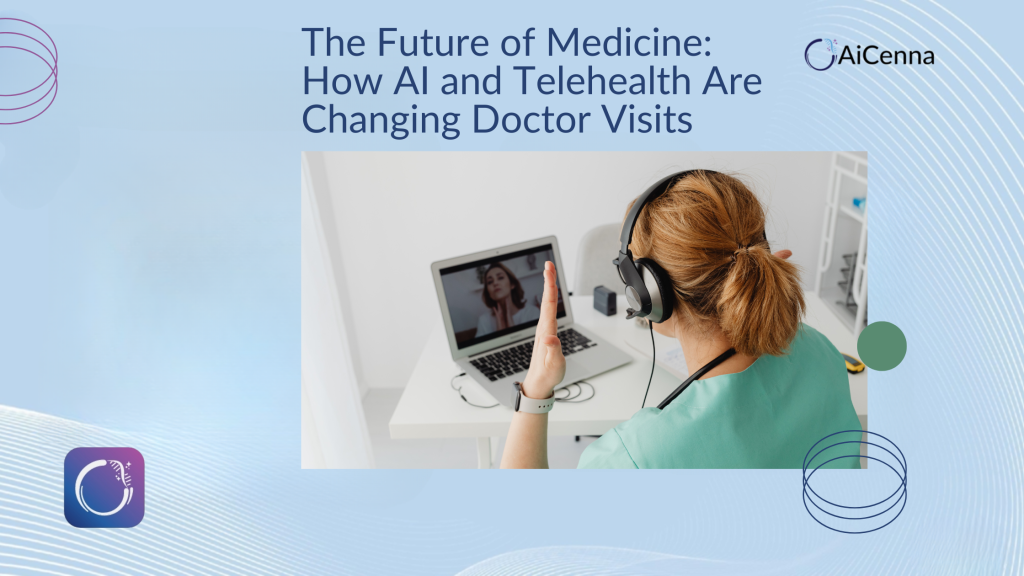
For decades, a trip to the doctor meant sitting in a waiting room, leafing through old magazines, and hoping your appointment wouldn’t run too long. Today, however, medicine is undergoing a transformation that is reshaping the way patients and physicians interact. The drivers of this change? Artificial intelligence (AI) and telehealth. Telehealth: From Convenience to Necessity Telehealth surged during the COVID-19 pandemic, when in-person visits became risky or impossible. What began as a stopgap quickly proved to be a sustainable alternative. Virtual appointments allow patients to connect with their doctors from home, saving time, reducing travel costs, and expanding access for those in rural or underserved areas. In fact, studies show that 83% of patients who used telehealth during the pandemic want to continue doing so because of its convenience and accessibility (American Medical Association, 2021). For chronic conditions like diabetes, hypertension, or mental health disorders, virtual follow-ups are now often the norm rather than the exception. The Rise of AI in Clinical Practice While telehealth solves the where of patient care, AI is revolutionizing the how. AI tools are increasingly being integrated into diagnostic imaging, treatment planning, and even predictive analytics. For instance, AI-powered radiology software can flag suspicious lesions on X-rays with accuracy comparable to human radiologists, helping clinicians make faster, more precise decisions. Additionally, natural language processing (NLP) algorithms are being deployed to transcribe medical notes, freeing doctors from time-consuming paperwork so they can focus more on patients. Predictive AI models can also identify patients at high risk of complications, enabling early interventions that save lives and reduce healthcare costs. A New Doctor-Patient Relationship The combined effect of AI and telehealth is shifting the doctor-patient relationship. Instead of episodic visits during illnesses, care is becoming continuous, data-driven, and preventive. Patients may soon share wearable device data directly with their doctors, while AI systems analyze patterns to provide actionable insights between visits. For doctors, this creates both opportunities and challenges. On one hand, they can deliver more personalized, proactive care. On the other, they must navigate new technologies, ensure data privacy, and balance digital efficiency with the human empathy that patients still deeply value. Looking Ahead The future of medicine will likely blend traditional in-person care with technology-enabled tools. AI will not replace physicians but will act as an intelligent assistant—helping them make better decisions, reduce burnout, and deliver more precise treatment. Telehealth will continue to expand access, bridging gaps in global healthcare delivery. But as with any major shift, success depends on integrating these technologies responsibly, with safeguards for patient trust, equity, and clinical accuracy. Where AiCenna Fits In As AI and telehealth become central to healthcare, solutions like AiCenna are helping bridge the gap between advanced technology and practical patient care. By enabling better decision support and streamlining clinical workflows, AiCenna represents the kind of thoughtful innovation that empowers doctors while keeping patients at the center. The future of medicine is a human-centered technology, and AiCenna is building part of that future.
The Role of Clinical Trials in Modern Medicine: What Patients Should Know
Every breakthrough medication or treatment available today went through rigorous clinical trials. Yet, for many patients, the idea of “being part of a trial” raises concerns about safety and ethics. What Are Clinical Trials? Trials are carefully designed research studies that test whether new treatments are safe and effective. They move through phases: Myths and Misconceptions Why Participation Matters Without trial participants, new cures could never reach patients. With AI-driven platforms like AiCenna, trial results can be better contextualized for clinical decision-making.
What Doctors Want You to Know Before Starting Long-Term Medication
For many patients, the prospect of starting a long-term medication, whether for blood pressure, cholesterol, or thyroid management, can feel daunting. As physicians, we recognize both the benefits and concerns patients face. Here’s what you should know before filling that prescription. Every medication has a clear therapeutic goal: lowering blood pressure to prevent strokes, controlling blood sugar to avoid complications, or stabilizing thyroid function for hormonal balance. Ask your doctor exactly why this medicine is being prescribed and what condition it prevents or controls. All drugs come with potential side effects. The key is understanding what’s common, what’s rare, and which symptoms require immediate medical attention. Doctors balance the benefits against risks and monitor closely for early signs of intolerance. Skipping doses or stopping medications without guidance can reverse their benefits and may even cause harm. For example, suddenly discontinuing beta-blockers can trigger dangerous heart rhythms. Consistency is as important as the prescription itself. Blood work, follow-up appointments, and dose adjustments are not inconveniences, they are safeguards. They ensure medications remain effective and safe over time. Medication is not a replacement for healthy habits. For conditions like hypertension and diabetes, combining lifestyle changes with pharmacotherapy produces the best long-term outcomes. Ultimately, medication is a partnership between doctor and patient. By staying informed and engaged, patients can achieve better health with fewer complications. AiCenna strengthens this collaboration by enabling seamless communication and monitoring, making long-term care more transparent and effective.
The Silent Epidemics: Understanding and Managing Autoimmune Disorders

Autoimmune diseases represent one of medicine’s most complex challenges. Conditions like lupus, rheumatoid arthritis, multiple sclerosis, and Crohn’s disease are chronic, multifaceted, and often invisible to those who don’t suffer from them. What Makes Autoimmunity Unique Unlike infections where the immune system fights external invaders, autoimmune diseases occur when the body mistakenly attacks itself. The result is chronic inflammation, organ damage, and symptoms that range from fatigue to severe disability. Why Autoimmune Disorders Are “Silent Epidemics” Prevalence – More than 80 autoimmune diseases exist, affecting an estimated 5–8% of the global population. Misdiagnosis – Symptoms overlap with other conditions, leading to delays in diagnosis. Invisible Impact – Patients often look “fine,” while battling fatigue, pain, and cognitive dysfunction. Current Approaches to Management Treatment focuses on suppressing the immune system, reducing inflammation, and preserving quality of life. Advances in biologics and immunomodulators have revolutionized care, though they come with risks of infection and high costs. Lifestyle & Prevention While genetics play a role, lifestyle factors influence disease onset and progression. Diets rich in anti-inflammatory foods, stress management, and adequate sleep have been shown to reduce flare-ups in many patients. The Research Horizon Emerging therapies include stem-cell transplants, microbiome-focused interventions, and personalized medicine based on genetic profiling. Innovative platforms like AiCenna can support research teams by streamlining trial data, helping to identify patterns across patient populations more efficiently. Conclusion Autoimmune diseases demand a multidisciplinary approach that combines science, lifestyle, and empathy. By understanding these “silent epidemics,” healthcare providers can better support millions living with invisible battles.