
The Hidden Connection Between Mental Health and Physical Health
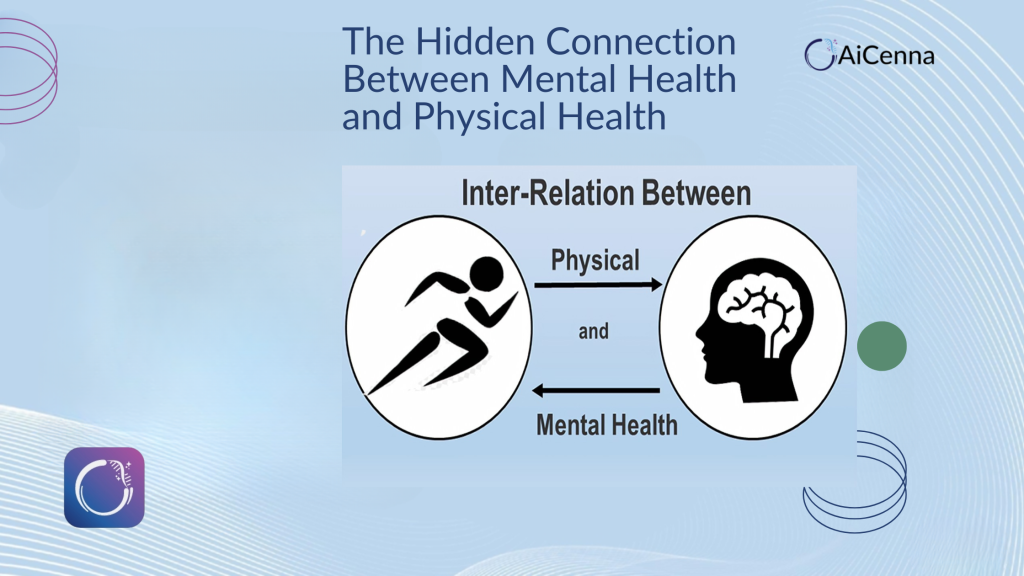
Modern medicine has long recognized the body and mind as deeply interconnected. Doctors increasingly see mental health not as separate from physical health, but as a central factor influencing overall well-being. Stress and the Body Chronic stress raises cortisol levels, which over time can lead to high blood pressure, weakened immunity, and even heart disease. Doctors frequently remind patients that unaddressed stress is as harmful as poor diet or lack of exercise. Depression and Chronic Illness Depression can make patients less likely to follow treatment plans, exercise, or eat healthily, which worsens physical outcomes. Meanwhile, chronic illnesses like diabetes or cancer can trigger depression, creating a difficult cycle that needs holistic management. Anxiety and Physical Symptoms Many anxiety disorders manifest with physical symptoms—palpitations, muscle tension, digestive problems—that can mimic or worsen other conditions. Doctors stress the importance of treating both the underlying mental and physical aspects. Integrating Care Increasingly, healthcare systems encourage collaboration between primary care physicians, mental health professionals, and specialists. Treating the whole person—not just the disease—leads to better long-term outcomes. Where AiCenna Fits In Healthcare technology like AiCenna can help bridge the gap by giving doctors tools to track and analyze both mental and physical health indicators. By recognizing patterns across patient data, AiCenna supports a more integrated approach to treatment—helping patients achieve better outcomes in both mind and body.
The Doctor-Patient Relationship: Why Trust Matters More Than Ever
Healthcare is ultimately a human-to-human interaction. While modern medicine thrives on technology, research, and innovation, the most critical factor in outcomes remains the same as it has been for centuries: trust between doctor and patient. When trust is present, patients share more openly, adhere to treatment plans, and feel empowered to ask questions. When it’s absent, even the best medical interventions may fall short. Why Trust Matters Patients often hesitate to disclose sensitive information—whether it’s about lifestyle, habits, or symptoms—if they feel judged. Doctors rely on accurate accounts, and when patients conceal details, it can delay or derail proper care. Trust also influences compliance. Studies show patients who trust their physicians are more likely to take medications as prescribed and follow lifestyle recommendations. Barriers to Building Trust Strengthening the Relationship AiCenna supports stronger patient-doctor relationships by bridging communication with intelligent insights.
The Art and Science of Diagnosis: How Doctors Solve Medical Mysteries
Introduction: Medicine is often described as both an art and a science, and nowhere is this duality more apparent than in the process of diagnosis. It is a rigorous detective story where the patient’s body provides the clues, and the doctor is the investigator piecing together the narrative. This article pulls back the curtain on how physicians navigate the complex path from symptoms to a definitive diagnosis. The Foundation: History and Physical: The diagnostic process begins not with a test, but with a conversation. A meticulous patient history—detailing the onset, character, and timing of symptoms—provides over 70% of the clues needed. A hands-on physical exam adds further context. Generating a Differential Diagnosis: Doctors then create a “differential,” a prioritized list of possible conditions that could explain the findings. This requires a deep knowledge of disease patterns and pathophysiology. Targeted Testing: Lab work and imaging are not fishing expeditions. They are ordered strategically to confirm the most likely diagnosis on the list or to rule out the most dangerous ones. The Role of Intuition and Experience: Sometimes, a pattern doesn’t fit textbook descriptions. Seasoned clinicians develop a sixth sense—a form of pattern recognition—that guides them when cases are ambiguous. Leveraging Collective Knowledge: Consulting a vast, anonymized database of similar clinical cases can provide doctors with a powerful reference point, offering insights into rare presentations or confirming a diagnostic hunch. Conclusion: Reaching a diagnosis is a dynamic and iterative process. It requires curiosity, humility, and a steadfast partnership between doctor and patient. Understanding this journey can empower patients to provide better histories and become active participants in their own care.
The 7 Most Common Mistakes Patients Make (and How to Avoid Them)
When it comes to healthcare, small mistakes can have big consequences. As physicians, we see patients daily who unintentionally undermine their own care, often without realizing it. By addressing these issues early, patients can dramatically improve outcomes and avoid unnecessary complications. 1. Delaying Medical Attention One of the most common mistakes patients make is waiting too long to see a doctor. Many people dismiss early symptoms as “nothing serious,” only to find themselves facing advanced illness later. Timely care is essential for conditions like cancer, heart disease, and diabetes. 2. Not Following Prescribed Treatments Skipping medications, altering doses, or abandoning therapies midway is more common than most realize. Patients may stop treatment because they feel better, but discontinuing too soon can cause relapses or resistance. 3. Relying on “Dr. Google” Online information can be helpful but is often misleading. Self-diagnosis through internet searches creates anxiety and sometimes leads patients to ignore real warning signs. A trusted physician should always be the final authority. 4. Ignoring Lifestyle Changes Patients often expect medication alone to fix their health. In reality, diet, exercise, and stress management play a huge role. Without these, medications work less effectively. 5. Poor Communication with Doctors Some patients hesitate to share full details out of embarrassment or fear. But withholding information about habits, mental health, or family history can lead to misdiagnosis or inappropriate treatment. 6. Skipping Preventive Care Annual checkups, vaccines, and screenings are crucial to catch problems early. Patients who skip preventive care often end up dealing with advanced diseases that could have been avoided. 7. Overuse of Antibiotics Many patients demand antibiotics for viral infections like the flu or cold, not realizing that this drives antibiotic resistance. Responsible prescribing and patient education are key to protecting public health. Even in this era of advanced medicine, patients play the most critical role in their health. By avoiding these mistakes, outcomes improve, costs decrease, and lives are saved. Platforms like AiCenna support this patient-doctor partnership by bridging clinical insights with technology, helping reduce preventable errors.
The Urgent Threat of Antibiotic Resistance Explained
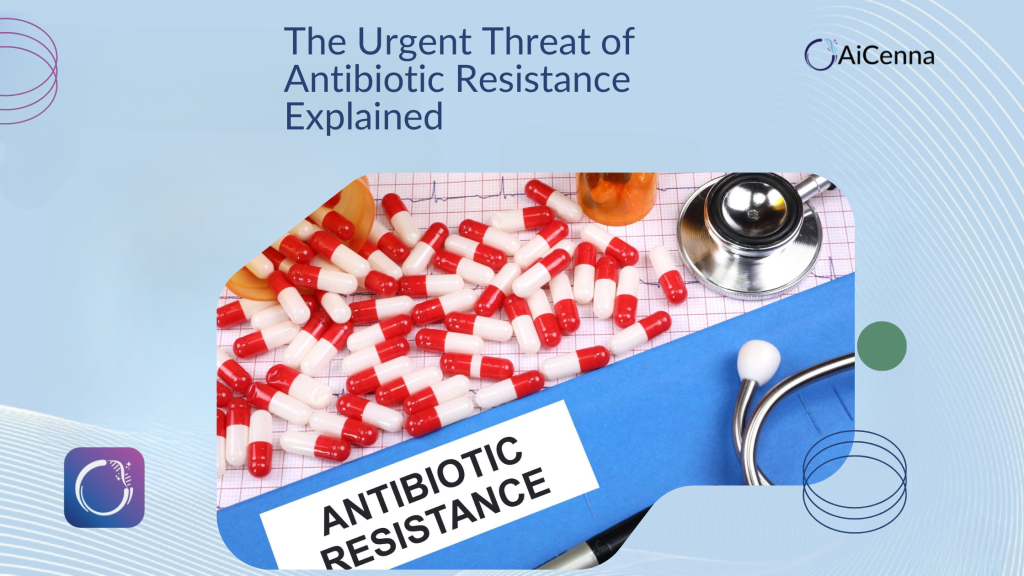
Antibiotics are a cornerstone of modern medicine, enabling everything from routine surgeries to cancer chemotherapy. However, their miracle is fading. The silent, steady rise of antimicrobial resistance (AMR) poses one of the gravest public health threats of our time, threatening to return us to a pre-antibiotic era. What is AMR? Explain how the misuse and overuse of antibiotics act as evolutionary pressure, selecting for bacteria that have developed mechanisms to survive the drugs designed to kill them. Consequences of Resistance: Detail the real-world impact: longer illnesses, higher medical costs, increased mortality, and the risk of untreatable infections. Common procedures like C-sections or hip replacements become far more dangerous without effective antibiotics to prevent infection. Causes: Human and Agricultural Misuse: Discuss the pressure patients put on providers for antibiotics for viral infections (like colds or flu) and the massive use of antibiotics in livestock feed. The Solution: Stewardship: Antibiotic stewardship programs in healthcare settings are essential. They promote the right drug, the right dose, and the right duration for every infection. Aiding Stewardship: Advanced decision-support software can analyze local resistance patterns and patient-specific factors to assist clinicians in making the most precise antibiotic choice at the point of care, combating overprescription. Conclusion: Combating antibiotic resistance requires a global effort. It depends on clinicians prescribing responsibly, patients using antibiotics only as directed, and policymakers supporting the development of new drugs. The responsibility to preserve these precious resources lies with all of us.
Top 10 Medical Myths Debunked by a Doctor
In medicine, myths often circulate widely, despite overwhelming scientific evidence refuting them. Dispelling these misconceptions is essential for patient safety, trust, and better health outcomes. As an MD, I’ve seen firsthand how misinformation can shape patient behavior. Here are ten common medical myths, each clarified with evidence-based insights: 1. Cracking your knuckles causes arthritis This myth persists, but the popping sound is due to gas bubbles in synovial fluid—not bone damage. Studies—including one by Dr. Donald Unger, show no increased arthritis risk from habitual knuckle cracking. Osmosis 2. Sugar makes kids hyperactive Despite parental observations, controlled studies find no causal link between sugar intake and hyperactivity in children. Environmental factors and expectations likely play larger roles. Osmosis UCHealth 3. Deodorant causes breast cancer Concerns about aluminum or parabens in deodorants have been thoroughly investigated. No conclusive evidence links their use to breast cancer. Medical News Today WebMD 4. You must finish every course of antibiotics Emerging research suggests that stopping antibiotics when symptoms resolve—and under a healthcare provider’s guidance, can be safe. Importantly, misuse contributes to antibiotic resistance. English Plus Podcast 5. You can catch a cold from cold weather Colds are viral; the ambient temperature itself doesn’t cause illness. Increased indoor crowding during cold seasons, however, facilitates viral spread. King’s College Hospital Dubai Wikipedia 6. Breakfast is the most important meal of the day Nutrition matters across all meals, not just the first. While helpful for some, skipping breakfast may benefit others. Balance and overall diet quality are more important. UCHealth 7. Teething causes fevers in babies Many assume teething triggers fever, but research shows that fevers are generally due to infections. Misattribution may lead to missed diagnoses. UCHealth 8. Eight glasses of water a day is mandatory Hydration needs are individual, dependent on activity, climate, and diet. Water-rich foods and other beverages contribute significantly to fluid intake. alfamedics.ie WebMD 9. Eggs are bad for your heart Contrary to old beliefs, moderate egg consumption doesn’t significantly raise cardiovascular risk in healthy individuals. Dietary cholesterol doesn’t always translate to blood cholesterol problems. Medical News Today WebMD 10. Ultrasound or X-ray exposure is dangerous in small amounts Diagnostic imaging entails very low radiation exposure and is essential when clinically justified. The benefits nearly always outweigh the minimal risks. Why Correcting Myths Matters Misconceptions can lead to poor health decisions—antibiotic misuse, delayed diagnosis, or unnecessary fear of beneficial therapies, and undermine public health. Clear, compassionate communication helps patients make informed, science-based choices. AiCenna: Enhancing Myth-Busting with Intelligent Insight While medical clarity begins in the consulting room, platforms like AiCenna amplify reach and precision. By leveraging digital tools and AI-driven analytics, AiCenna assists healthcare teams in identifying trending misinformation, tailoring evidence-based content, and delivering timely educational messaging. This empowers clinicians to debunk myths more efficiently, engage patients proactively, and ultimately support better health outcomes, all grounded in scientific accuracy.