
How Climate Change is Affecting Your Health: What Doctors Are Seeing in Clinics
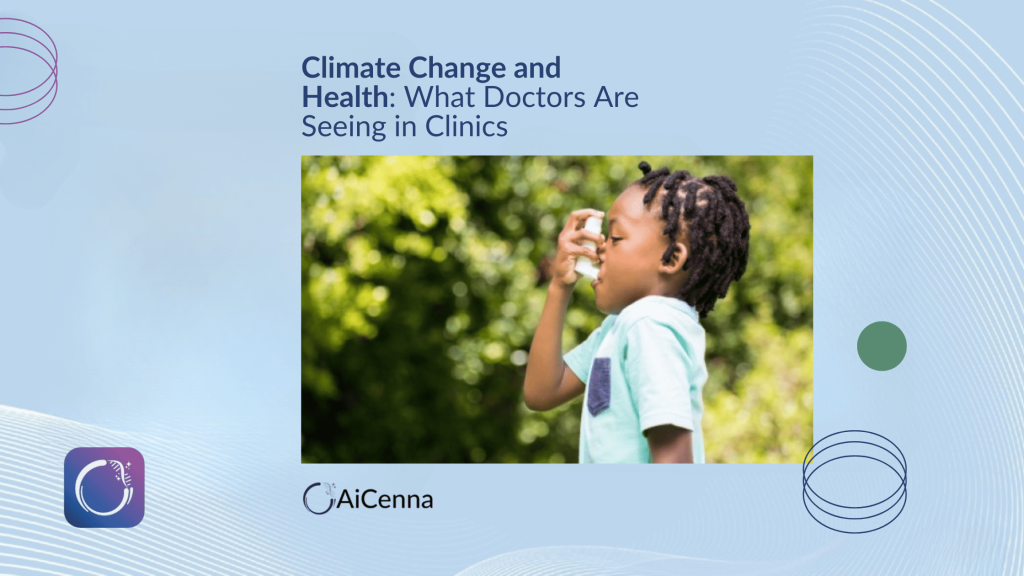
Introduction When people think of climate change, they often picture melting glaciers, rising seas, or endangered polar bears. But for doctors, the most urgent images are far closer to home: patients struggling with asthma during wildfire season, heatstroke victims in emergency rooms, and children with worsening allergies as pollen seasons lengthen. Climate change is not a distant environmental issue — it is a present‑day health crisis. Physicians across the world are witnessing its effects in their clinics, from respiratory illness to mental health strain. This article explores the evidence, the mechanisms, and the lived reality of how a warming planet is reshaping human health. Heat: The Silent Killer Extreme heat is one of the deadliest consequences of climate change. Doctors report that heat doesn’t just cause acute illness — it worsens existing conditions like heart failure and diabetes. Air Quality and Respiratory Disease Climate change worsens air pollution in two ways: Doctors are seeing more children with asthma exacerbations, more adults with chronic bronchitis, and more hospitalizations during poor air quality days. Infectious Diseases on the Move Warming temperatures and shifting rainfall patterns expand the habitats of disease‑carrying insects. Clinicians in previously unaffected areas are now diagnosing diseases once considered “tropical.” (Reference: WHO, 2021 — Climate Change and Health report.) Allergies and Immune Health (Reference: Ziska et al., PNAS, 2019.) Mental Health: The Invisible Toll Climate change also affects the mind. Clinicians are increasingly recognizing climate change as a driver of mental health burden. (Reference: Clayton et al., Int J Environ Res Public Health, 2017.) Cardiovascular Strain Heat, air pollution, and stress converge to burden the heart. (Reference: Brook et al., Circulation, 2010 — Air Pollution and Cardiovascular Disease.) Who Is Most at Risk? (Reference: IPCC, 2022 — Sixth Assessment Report, Health Chapter.) What Doctors Are Doing Clinicians are not just treating symptoms — they are adapting practice: Medical associations, including the American Medical Association and the British Medical Association, now recognize climate change as a health emergency. What Individuals Can Do (Reference: CDC Climate and Health Program, 2023.) Conclusion Climate change is not just an environmental issue — it is a medical issue. Doctors are already treating its consequences: heatstroke, asthma, infectious disease, anxiety, and heart attacks. The clinic has become a frontline for climate impacts.
Kidney Health Protection Through Preventive Nephrology
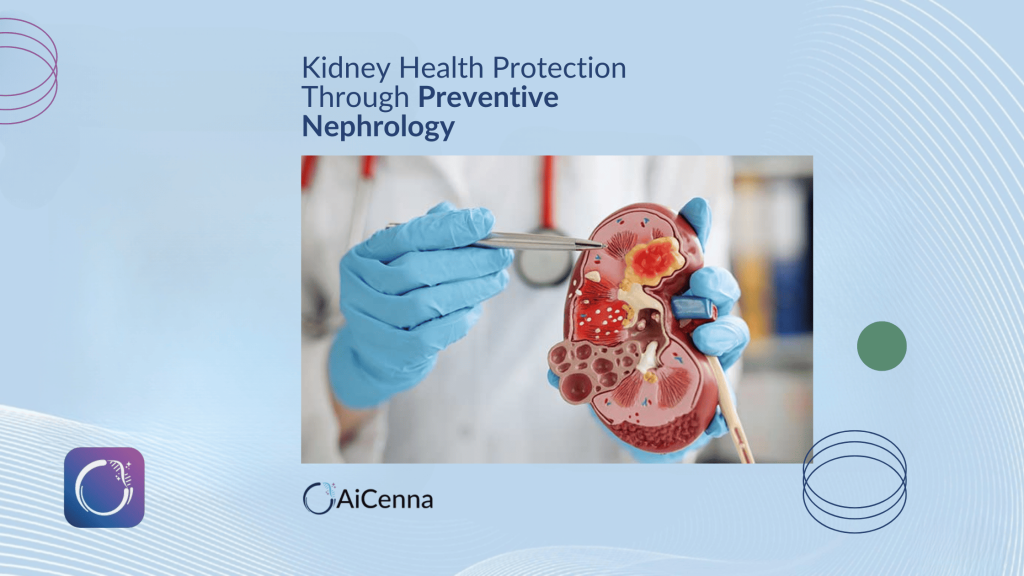
Introduction The kidneys are often overlooked until something goes wrong. Yet these two bean‑shaped organs filter about 50 gallons of blood every single day, removing waste, balancing electrolytes, regulating blood pressure, and producing hormones critical for bone and red blood cell health. Chronic kidney disease (CKD) affects nearly 850 million people worldwide, according to the International Society of Nephrology, and is projected to become the fifth leading cause of death by 2040. The tragedy is that much of this burden is preventable. Preventive nephrology focuses on protecting kidney health before irreversible damage occurs, shifting care from dialysis and transplantation to early detection and proactive management. Why Kidney Health Matters (Reference: Jager et al., Nat Rev Nephrol, 2019.) Major Risk Factors for Kidney Disease 1. Diabetes 2. Hypertension 3. Obesity and Metabolic Syndrome 4. Cardiovascular Disease 5. Infections and Toxins 6. Genetic Disorders (Reference: KDIGO Clinical Practice Guidelines, 2022.) Tools for Early Detection 1. Blood Tests 2. Urine Tests 3. Imaging 4. Risk Scores and Digital Tools (Reference: Tangri et al., JAMA, 2011 — Kidney Failure Risk Equation.) Preventive Interventions 1. Lifestyle Medicine 2. Blood Pressure and Diabetes Control 3. Avoiding Nephrotoxins 4. Vaccination 5. Patient Education Case Studies and Evidence Preventive Nephrology Across the Lifespan Children Adults Older Adults Challenges and Barriers The Future of Preventive Nephrology (Reference: Nature Medicine, 2021 — “The future of kidney health.”) Conclusion The kidneys are silent workhorses, but their failure is anything but silent. Preventive nephrology emphasizes early detection, lifestyle interventions, and proactive management to protect kidney health long before dialysis or transplantation is needed. By integrating kidney health into preventive medicine, we can reduce the global burden of CKD, improve quality of life, and save billions in healthcare costs. Protecting the kidneys is not just about avoiding dialysis — it is about safeguarding the body’s entire internal balance.
Lifestyle Medicine and Chronic Disease: The Power of Prevention
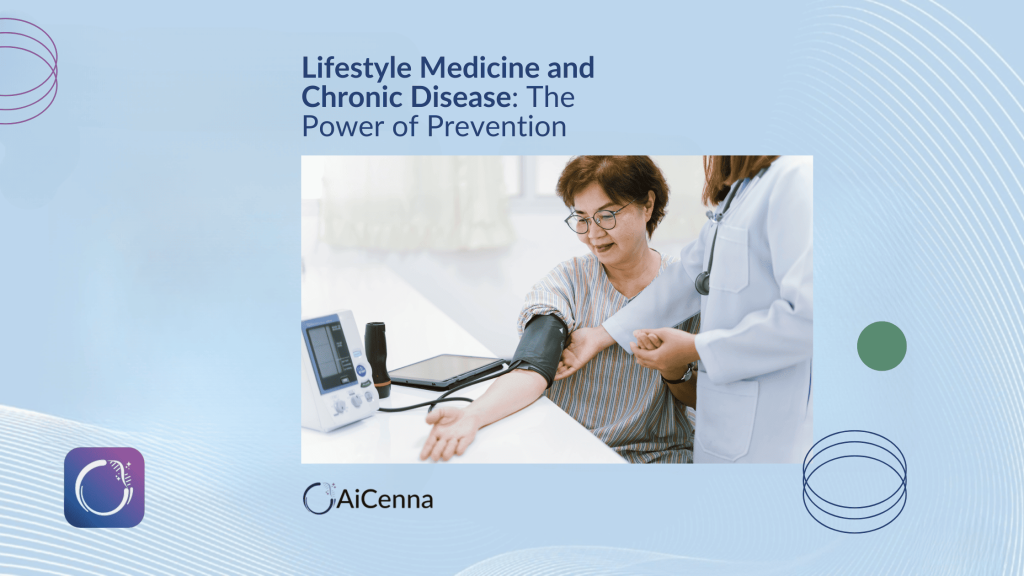
Introduction Chronic diseases — including cardiovascular disease, diabetes, cancer, and chronic respiratory conditions — account for over 70% of global deaths each year according to the World Health Organization (WHO). These conditions are often thought of as inevitable consequences of aging, but decades of research show that they are largely preventable. The emerging field of lifestyle medicine focuses on using evidence‑based lifestyle interventions — nutrition, physical activity, sleep, stress management, social connection, and avoidance of risky substances — as the foundation of prevention and treatment. This article explores the science behind lifestyle medicine, its clinical applications, and its potential to reshape healthcare. What Is Lifestyle Medicine? Lifestyle medicine is the clinical application of healthy lifestyle interventions to prevent, treat, and often reverse chronic disease. It is not alternative medicine; it is grounded in peer‑reviewed science and endorsed by major medical organizations. Core pillars include: (Reference: American College of Lifestyle Medicine, 2020.) Nutrition: Food as Medicine Evidence: The PREDIMED trial (NEJM, 2013) showed a 30% reduction in major cardiovascular events among high‑risk individuals following a Mediterranean diet supplemented with nuts or olive oil. Physical Activity: The Universal Prescription (Reference: Lancet, 2012 — Global Burden of Disease study on physical inactivity.) Sleep: The Overlooked Pillar (Reference: Walker, M. “Why We Sleep,” 2017; Cappuccio et al., Eur Heart J, 2011.) Stress Management: Calming the System (Reference: Kabat‑Zinn, JAMA, 1998; Chiesa & Serretti, Psychosom Med, 2009.) Social Connection: A Hidden Determinant of Health (Reference: Holt‑Lunstad et al., PLoS Medicine, 2010.) Avoidance of Risky Substances (Reference: WHO Global Report on Alcohol and Health, 2018.) Clinical Evidence for Lifestyle Medicine 1. Diabetes Prevention Program (DPP) 2. Ornish Lifestyle Heart Trial 3. Hypertension Barriers to Implementation The Future of Lifestyle Medicine (Reference: Lancet Public Health, 2021 — “Lifestyle medicine and the future of healthcare.”) Conclusion Chronic diseases are not inevitable. Lifestyle medicine demonstrates that simple, evidence‑based changes in daily habits can prevent, treat, and even reverse many of the world’s leading killers. The challenge is not whether lifestyle medicine works — the evidence is overwhelming. The challenge is how to integrate it into healthcare systems, medical education, and public policy. If achieved, lifestyle medicine could shift the focus of healthcare from managing disease to creating health.
Microbiome Science Linking Gut Health to Disease Prevention
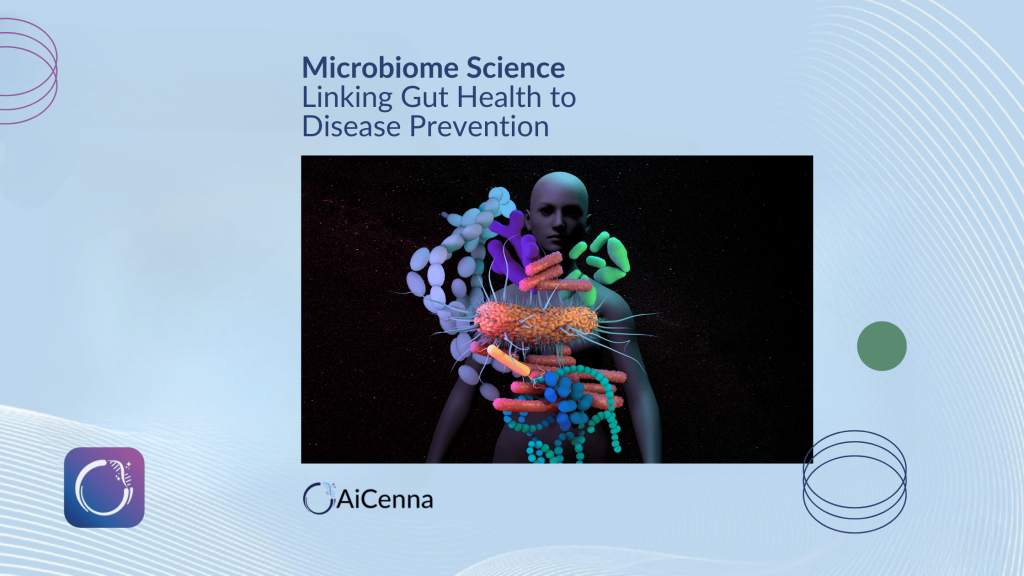
Introduction In recent years, “gut health” has become a buzzword in wellness circles. Supermarket shelves are lined with probiotic drinks, fiber supplements, and fermented foods promising to “balance your microbiome.” But beyond the marketing, there is a growing body of rigorous science showing that the trillions of microbes living in our intestines — collectively known as the gut microbiome — play a central role in human health. Far from being passive passengers, these microbes influence digestion, immunity, metabolism, and even brain function. When the microbiome is disrupted, the consequences can ripple across the body, contributing to chronic diseases ranging from obesity to depression. Understanding the microbiome is not just a scientific curiosity; it is becoming a cornerstone of preventive medicine. What Is the Gut Microbiome? The human gut contains an estimated 100 trillion microorganisms, outnumbering human cells by roughly 10 to 1. These include bacteria, viruses, fungi, and archaea. Collectively, they carry more than 3 million genes, vastly outstripping the human genome. Key features: (Reference: Human Microbiome Project Consortium, Nature, 2012.) The Gut as an Immune Organ Approximately 70% of the immune system resides in the gut. Specialized immune cells interact constantly with microbes, learning to distinguish friend from foe. When microbial balance is disrupted — a state called dysbiosis — the immune system may overreact, fueling chronic inflammation. (Reference: Belkaid & Hand, Science, 2014.) Gut Health and Chronic Disease 1. Obesity and Metabolic Syndrome 2. Cardiovascular Disease 3. Autoimmune Disorders 4. Cancer 5. Mental Health (References: Turnbaugh et al., Nature, 2006; Wang et al., NEJM, 2011; Cryan & Dinan, Nat Rev Neurosci, 2012.) Everyday Factors That Shape the Microbiome (References: Sonnenburg & Sonnenburg, Cell, 2014; Dominguez‑Bello et al., Science Translational Medicine, 2010.) Interventions to Support Gut Health 1. Diet as Medicine 2. Probiotics and Supplements 3. Fecal Microbiota Transplantation (FMT) 4. Lifestyle Approaches (References: Lancet Gastroenterology, 2017; Clinical Microbiology Reviews, 2019.) The Future of Microbiome Medicine (Reference: Nature Medicine, 2021 — microbiome therapeutics review.) Conclusion The gut microbiome is not just a passive collection of microbes — it is an active organ that shapes immunity, metabolism, and even mental health. Preventive medicine is increasingly recognizing that nurturing gut health may be as important as managing blood pressure or cholesterol. While the science is still evolving, certain principles are clear: eat a diverse, fiber‑rich diet, avoid unnecessary antibiotics, manage stress, and support microbial diversity. By doing so, we may reduce the burden of chronic disease and move closer to a model of healthcare that is proactive rather than reactive.
Digital Twins in Oncology: Simulating Cancer Progression for Better Treatment
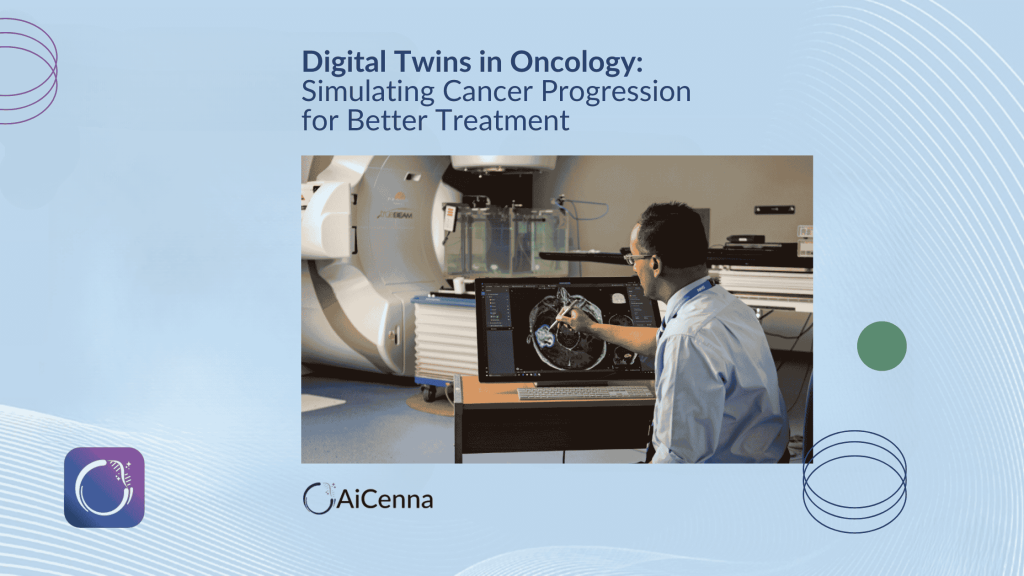
Introduction Cancer remains one of the most complex and devastating diseases of our time. Despite advances in surgery, chemotherapy, immunotherapy, and precision medicine, predicting how a tumor will behave in a specific patient remains a major challenge. Two patients with the same diagnosis can respond very differently to the same treatment. Enter the digital twin: a virtual replica of a patient’s tumor and body, built from imaging, genomic, and clinical data. In oncology, digital twins offer the possibility of simulating cancer progression and testing therapies in silico — before applying them in real life. This approach could transform cancer care from reactive to predictive, enabling doctors to choose the right treatment at the right time for each individual. What Is a Digital Twin in Oncology? A digital twin in oncology is a computational model that mirrors the biology of a patient’s cancer. It integrates: The twin is continuously updated as new data are collected, making it a “living model” of the patient’s cancer. (Reference: Björnsson et al., Nat Rev Clin Oncol, 2020 — “Digital twins in oncology.”) Why Oncology Needs Digital Twins Cancer is not a single disease but hundreds of distinct conditions with unique molecular drivers. Traditional clinical trials provide population‑level evidence, but they cannot capture the full variability of individual patients. Digital twins address these challenges by allowing personalized simulations of disease progression and treatment response. Applications of Digital Twins in Cancer Care 1. Predicting Tumor Growth and Progression 2. Optimizing Treatment Selection 3. Monitoring Resistance 4. Surgical and Radiation Planning 5. Clinical Trials and Drug Development Case Studies and Emerging Evidence Benefits for Patients and Clinicians Challenges and Limitations 1. Data Integration 2. Validation 3. Computational Demands 4. Ethical and Privacy Concerns 5. Equity (Reference: Nature Medicine, 2021 — “Ethical challenges of digital twins in healthcare.”) The Future of Digital Twins in Oncology (Reference: Corral‑Acero et al., Eur Heart J, 2020 — digital twin frameworks in medicine.) Conclusion Digital twins in oncology represent a paradigm shift in cancer care. By simulating tumor progression and treatment response, they offer the potential to move from reactive treatment to proactive, predictive, and personalized medicine. While challenges remain in data integration, validation, and equity, the trajectory is clear: digital twins could become a cornerstone of oncology, helping doctors choose the right therapy at the right time — and ultimately improving survival and quality of life for millions of patients.
Vaccines in the 21st Century: Beyond COVID‑19 and Into Personalized Immunization
Vaccines are among the most successful public health interventions in history. They have eradicated smallpox, nearly eliminated polio, and dramatically reduced childhood mortality worldwide. The COVID‑19 pandemic reminded the world of their importance, but it also accelerated a new era of vaccine science. Messenger RNA (mRNA) platforms, rapid global distribution, and unprecedented collaboration showed what is possible when urgency meets innovation. Yet the story of 21st‑century vaccines goes far beyond COVID‑19. Researchers are now exploring personalized immunization, cancer vaccines, and novel delivery systems that could transform how we prevent and treat disease. This article explores the science, challenges, and future of vaccines in the modern age. Table of Content: A Brief History of Vaccination (Reference: Plotkin, S. “History of vaccination.” Proc Natl Acad Sci USA, 2014.) Traditional Vaccine Platforms Before the mRNA revolution, vaccines were developed using several well‑established methods: These approaches remain effective but often require long development timelines and complex manufacturing. The mRNA Revolution The COVID‑19 vaccines from Pfizer‑BioNTech and Moderna demonstrated the power of mRNA technology: Beyond COVID‑19, mRNA vaccines are being tested for influenza, Zika, HIV, and even cancer. (References: Polack et al., NEJM, 2020; Baden et al., NEJM, 2021.) Cancer Vaccines: A New Frontier Unlike traditional vaccines that prevent infection, cancer vaccines aim to treat existing disease by training the immune system to recognize tumor‑specific antigens. Clinical trials are underway for melanoma, lung cancer, and pancreatic cancer. (Reference: Sahin & Türeci, Nature Reviews Drug Discovery, 2018.) Personalized Immunization The future of vaccines may be tailored to the individual: This approach could optimize protection while minimizing side effects. (Reference: Nature Medicine, 2021 — “Personalized vaccines and the future of immunization.”) Novel Delivery Systems Traditional injections may not be the only way to vaccinate in the future. Researchers are developing: (Reference: Lancet Infectious Diseases, 2020.) Global Equity and Challenges Despite scientific progress, challenges remain: (References: WHO Global Vaccine Report, 2022; UNICEF vaccine equity data.) Ethical Considerations (Reference: Hastings Center Report, 2021.) The Future of Vaccines Looking ahead, vaccines may: The ultimate vision is a world where vaccines are personalized, accessible, and preventive across the lifespan. Conclusion Vaccines in the 21st century are no longer limited to childhood shots or seasonal flu jabs. They are evolving into a diverse toolkit that includes mRNA platforms, cancer immunotherapies, and personalized formulations. While challenges of equity, access, and ethics remain, the trajectory is clear: vaccines will continue to be at the heart of preventive medicine, shaping not only how we fight infectious diseases but also how we approach chronic illness and global health. For more health related content, visit AiCenna.