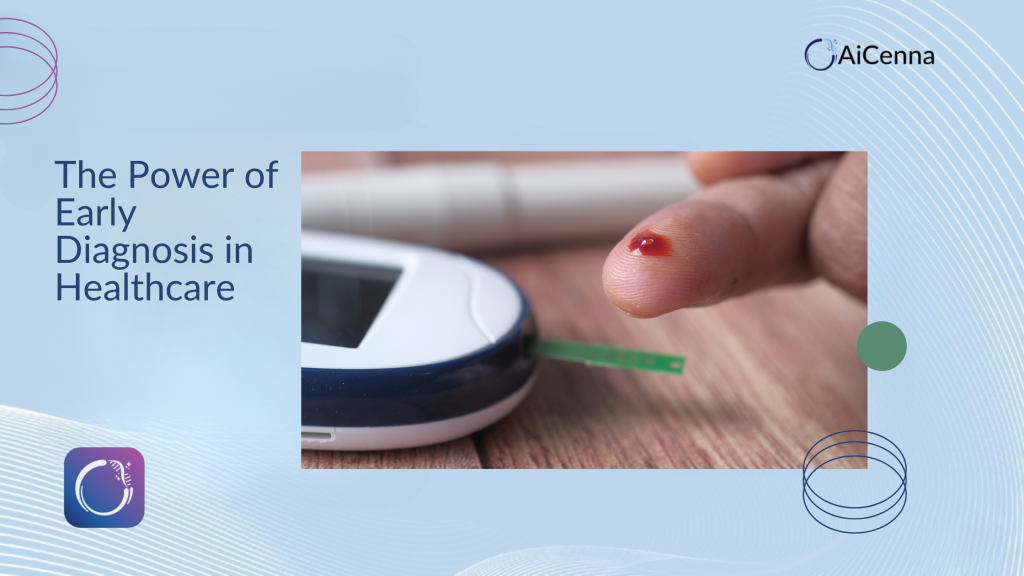
Early diagnosis is one of the most powerful tools in modern medicine. Doctors emphasize that catching diseases at their earliest stages can dramatically improve treatment outcomes, extend life expectancy, and lower overall healthcare costs. The importance of early detection has never been clearer, especially as chronic illnesses and cancers remain leading causes of death worldwide.
Why Early Diagnosis Matters
When a condition is identified early, treatment can begin before it progresses into a more dangerous or untreatable stage. For example, detecting high blood pressure before it causes a stroke, or spotting breast cancer through a routine mammogram, can be the difference between life and death.
Doctors often remind patients that diseases don’t appear overnight. They develop silently, often with no visible symptoms. Early diagnosis bridges the gap between hidden illness and actionable treatment, giving physicians the chance to intervene at the most critical time.
Diagnostic Technology Advancements
The last two decades have witnessed remarkable improvements in diagnostic tools. Imaging technologies such as MRI, CT scans, and PET scans provide unprecedented detail, allowing doctors to detect tumors and abnormalities earlier. Similarly, blood-based biomarkers are increasingly being used to detect cancer, Alzheimer’s, and other conditions at a stage when treatments are more effective.
Artificial intelligence has also entered the diagnostic field. Machine learning algorithms can now analyze medical images faster than radiologists, spotting subtle abnormalities that the human eye might miss.
Platforms like AiCenna are working on enhancing diagnostic accuracy by combining clinical data, patient history, and AI-powered predictive models to help doctors spot conditions earlier.
The Role of Routine Screenings
Doctors recommend regular screenings as one of the most reliable ways to ensure early diagnosis. Screenings for cholesterol, blood sugar, blood pressure, and cancer markers can catch warning signs long before symptoms appear.
Take colon cancer as an example: colonoscopies have helped reduce mortality rates significantly by catching precancerous polyps before they develop into tumors. Similarly, pap smears and HPV tests are vital tools in reducing cervical cancer rates worldwide.
The key challenge remains patient compliance. Many people avoid or delay screenings due to fear, lack of awareness, or financial concerns. Doctors continue to push for greater education and accessibility to routine preventive screenings.
Personalized Medicine and Genetic Testing
Genetic testing has opened new doors in early diagnosis. By analyzing a patient’s DNA, doctors can identify inherited risks for diseases such as breast cancer (BRCA mutations), Huntington’s disease, or certain cardiovascular conditions. This allows for proactive monitoring and lifestyle adjustments long before illness develops.
Personalized medicine doesn’t just predict disease, it tailors early diagnostic strategies to each individual. A patient with a genetic predisposition to heart disease, for example, might undergo more frequent cholesterol and blood pressure monitoring compared to someone without that risk.
Barriers to Early Diagnosis
Despite its benefits, early diagnosis faces several barriers. In low-resource settings, lack of access to diagnostic equipment, laboratories, and trained healthcare providers remains a major challenge. Even in wealthier countries, disparities exist—underserved populations often face delayed diagnoses due to cost or healthcare access.
Additionally, false positives and overdiagnosis remain concerns. Doctors must balance the benefits of early detection with the risks of unnecessary treatments, which can lead to stress, expense, and potential side effects.
Early Diagnosis and Cost Savings
Healthcare systems worldwide are recognizing the economic advantages of early diagnosis. Treating cancer at Stage I is exponentially cheaper than managing it at Stage IV. Similarly, controlling diabetes early prevents costly complications such as kidney failure or blindness.
Governments and insurers are increasingly incentivizing preventive and diagnostic services, seeing them as investments in long-term sustainability. For patients, this means that early testing is not only life-saving but also cost-saving in the long run.
The Doctor-Patient Partnership
At the heart of early diagnosis is trust between doctors and patients. Physicians encourage open communication, where patients feel comfortable discussing even minor changes in their health. This partnership helps ensure that warning signs aren’t overlooked and that patients remain proactive about their health.
Doctors also stress that early diagnosis is not solely the responsibility of healthcare professionals—patients play an active role by attending check-ups, following recommended screening schedules, and reporting new symptoms promptly.
Looking Ahead
As technology continues to advance, early diagnosis will become faster, more accurate, and more widely available. The integration of AI, genetic testing, and routine health monitoring will help doctors predict risks and detect diseases with unprecedented precision.
The future of healthcare is not just about curing illness, it’s about finding it early enough that it never has the chance to take full hold. Early diagnosis is the frontline defense in the fight for better health.