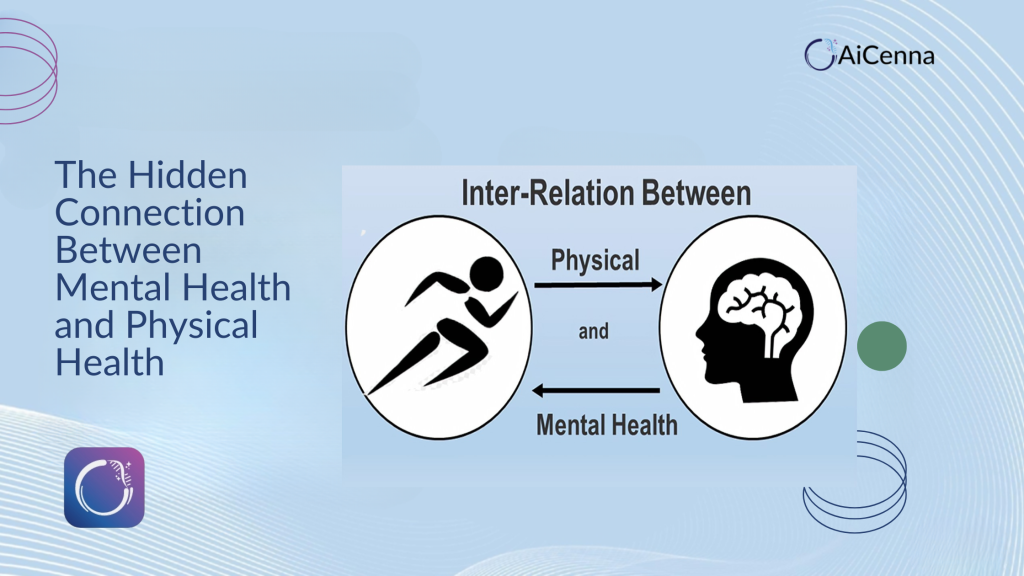
Modern medicine has long recognized the body and mind as deeply interconnected. Doctors increasingly see mental health not as separate from physical health, but as a central factor influencing overall well-being.
Stress and the Body
Chronic stress raises cortisol levels, which over time can lead to high blood pressure, weakened immunity, and even heart disease. Doctors frequently remind patients that unaddressed stress is as harmful as poor diet or lack of exercise.
Depression and Chronic Illness
Depression can make patients less likely to follow treatment plans, exercise, or eat healthily, which worsens physical outcomes. Meanwhile, chronic illnesses like diabetes or cancer can trigger depression, creating a difficult cycle that needs holistic management.
Anxiety and Physical Symptoms
Many anxiety disorders manifest with physical symptoms—palpitations, muscle tension, digestive problems—that can mimic or worsen other conditions. Doctors stress the importance of treating both the underlying mental and physical aspects.
Integrating Care
Increasingly, healthcare systems encourage collaboration between primary care physicians, mental health professionals, and specialists. Treating the whole person—not just the disease—leads to better long-term outcomes.
Where AiCenna Fits In
Healthcare technology like AiCenna can help bridge the gap by giving doctors tools to track and analyze both mental and physical health indicators. By recognizing patterns across patient data, AiCenna supports a more integrated approach to treatment—helping patients achieve better outcomes in both mind and body.