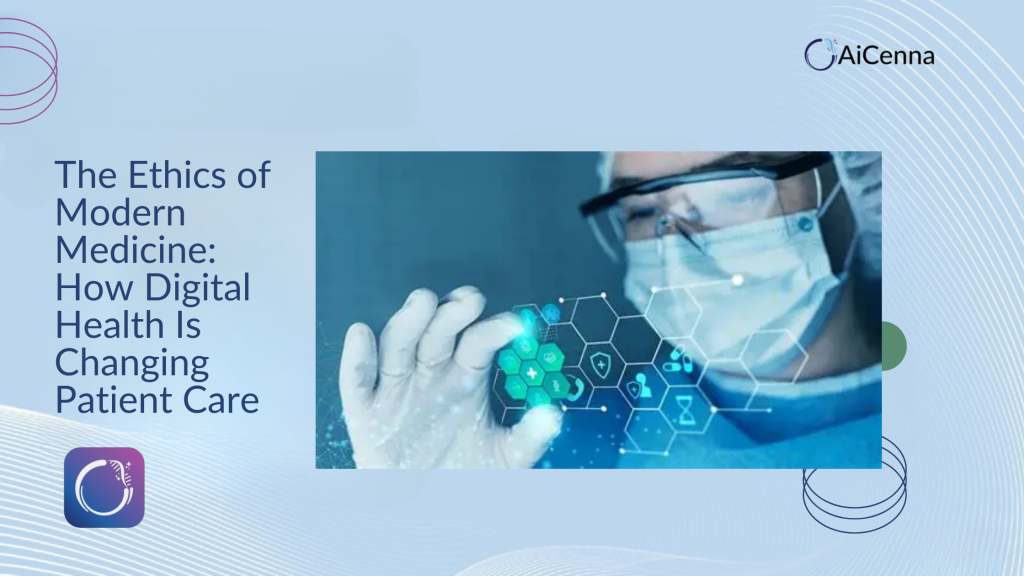
Medicine has always been grounded in ethics: Principles of doing good, avoiding harm, and respecting patients. But the digital transformation of healthcare brings new challenges that physicians, patients, and policymakers must navigate.
Patient Privacy and Data Security
With electronic health records, wearable devices, and telehealth, sensitive data is now digitized. While this enables continuity of care, it raises concerns about breaches and misuse.
AI and Decision-Making
Artificial intelligence is increasingly used in diagnostics, drug discovery, and treatment planning. But who is responsible if an AI-assisted decision leads to harm? Doctors must balance technology with human judgment.
Health Inequality
Digital health promises wider access, but not everyone has equal connectivity or digital literacy. This risks widening gaps between urban and rural, wealthy and underprivileged populations.
Consent and Transparency
Patients must fully understand how their data is used. Transparency about algorithms, limitations, and potential conflicts of interest is essential for maintaining trust.
Physician-Patient Relationship
While digital tools improve efficiency, they must not replace the human touch. Empathy, listening, and personal connection remain at the heart of medicine.
Ethical medicine in the digital age requires constant reflection, adaptation, and accountability. Platforms like AiCenna are being designed to support these values by enabling safer, more transparent use of health data.