Introduction:
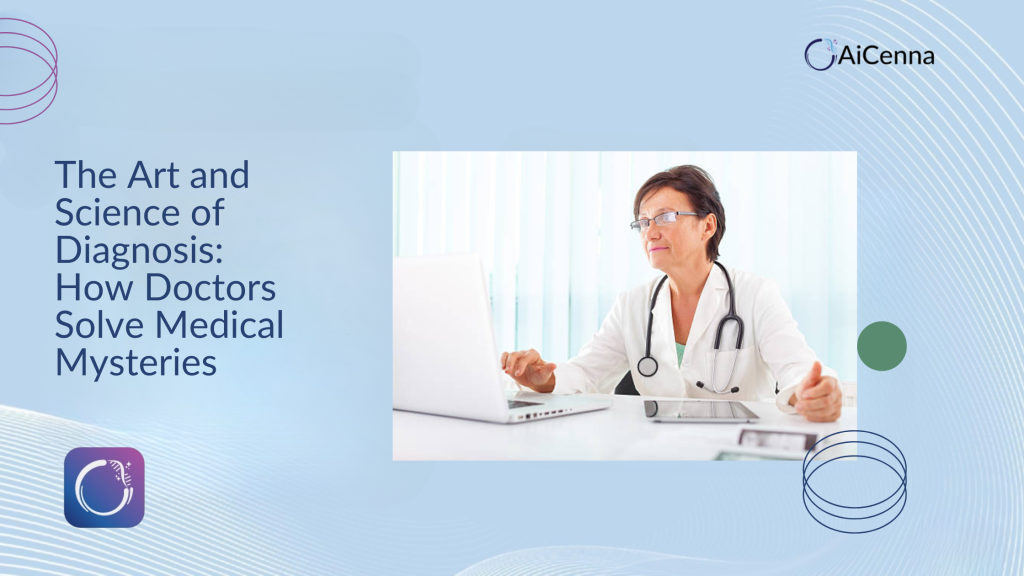
Medicine is often described as both an art and a science, and nowhere is this duality more apparent than in the process of diagnosis. It is a rigorous detective story where the patient’s body provides the clues, and the doctor is the investigator piecing together the narrative. This article pulls back the curtain on how physicians navigate the complex path from symptoms to a definitive diagnosis.
The Foundation: History and Physical: The diagnostic process begins not with a test, but with a conversation. A meticulous patient history—detailing the onset, character, and timing of symptoms—provides over 70% of the clues needed. A hands-on physical exam adds further context.
Generating a Differential Diagnosis: Doctors then create a “differential,” a prioritized list of possible conditions that could explain the findings. This requires a deep knowledge of disease patterns and pathophysiology.
Targeted Testing: Lab work and imaging are not fishing expeditions. They are ordered strategically to confirm the most likely diagnosis on the list or to rule out the most dangerous ones.
The Role of Intuition and Experience: Sometimes, a pattern doesn’t fit textbook descriptions. Seasoned clinicians develop a sixth sense—a form of pattern recognition—that guides them when cases are ambiguous.
Leveraging Collective Knowledge: Consulting a vast, anonymized database of similar clinical cases can provide doctors with a powerful reference point, offering insights into rare presentations or confirming a diagnostic hunch.
Conclusion:
Reaching a diagnosis is a dynamic and iterative process. It requires curiosity, humility, and a steadfast partnership between doctor and patient. Understanding this journey can empower patients to provide better histories and become active participants in their own care.