Introduction
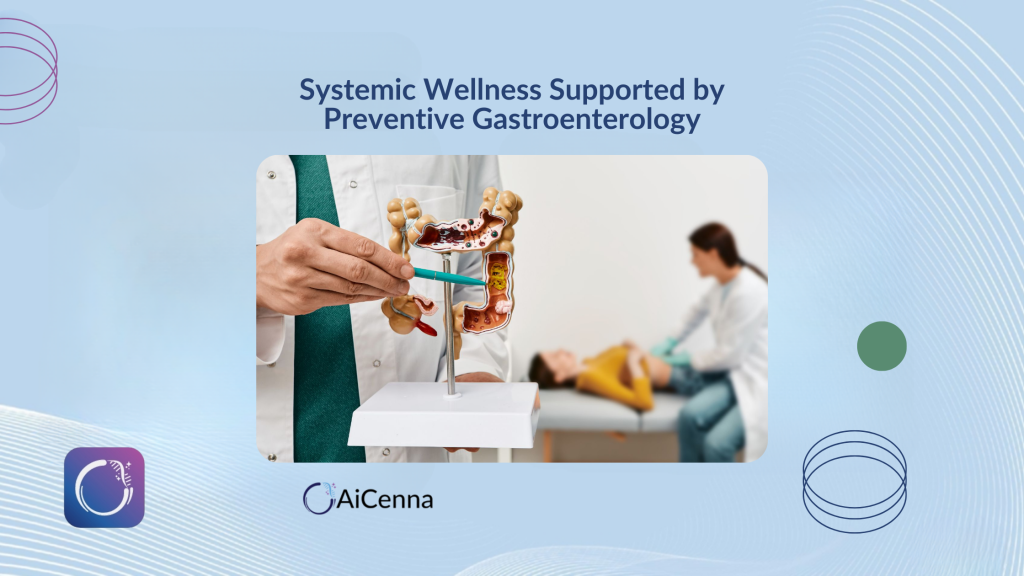
The gastrointestinal (GI) tract is more than a digestive system — it is a central hub for immunity, metabolism, and even mental health. Increasingly, research shows that gut health is deeply connected to systemic wellness. Preventive gastroenterology focuses on maintaining GI health, detecting disease early, and leveraging the gut as a gateway to whole‑body prevention.
This article explores the science of the gut microbiome, the links between GI health and chronic disease, and the role of preventive strategies in reducing the global burden of digestive and systemic illness.
The Gut as a Central Organ of Health
1. Digestion and Nutrient Absorption
- The gut breaks down food and absorbs nutrients essential for energy and cellular function.
2. Immune Function
- About 70% of the immune system resides in the gut‑associated lymphoid tissue (GALT).
- The gut microbiome educates immune cells and regulates inflammation.
3. Gut–Brain Axis
- Bidirectional communication between the gut and brain influences mood, cognition, and stress response.
- Microbial metabolites such as short‑chain fatty acids (SCFAs) affect neurotransmitter production.
(Reference: Cryan et al., Nat Rev Gastroenterol Hepatol, 2019.)
The Microbiome and Systemic Wellness
1. Metabolic Health
- Dysbiosis (imbalanced microbiota) is linked to obesity, insulin resistance, and type 2 diabetes.
- Certain gut bacteria influence energy harvest and fat storage.
2. Cardiovascular Disease
- Microbial metabolites like trimethylamine N‑oxide (TMAO) are associated with atherosclerosis.
3. Autoimmune and Inflammatory Disorders
- Altered gut microbiota contribute to inflammatory bowel disease (IBD), rheumatoid arthritis, and multiple sclerosis.
4. Mental Health
- Gut microbiota influence serotonin production and stress pathways.
- Dysbiosis is associated with depression and anxiety.
(Reference: Lynch & Pedersen, N Engl J Med, 2016.)
Preventive Gastroenterology in Practice
1. Screening and Early Detection
- Colorectal cancer screening: Colonoscopy, sigmoidoscopy, and stool tests detect precancerous polyps.
- Helicobacter pylori testing: Prevents gastric cancer and ulcers.
- Liver health monitoring: Early detection of fatty liver disease prevents progression to cirrhosis.
2. Nutrition and Lifestyle
- High‑fiber diets promote microbial diversity and reduce colorectal cancer risk.
- Fermented foods (yogurt, kefir, kimchi) support beneficial bacteria.
- Limiting processed foods and red meat reduces GI cancer risk.
3. Probiotics and Prebiotics
- Probiotics: Live microorganisms that confer health benefits.
- Prebiotics: Fibers that feed beneficial bacteria.
- Evidence supports their role in preventing antibiotic‑associated diarrhea and improving immune function.
4. Vaccination
- Hepatitis B vaccination prevents chronic liver disease and hepatocellular carcinoma.
- Rotavirus vaccination reduces childhood gastroenteritis.
Case Studies and Evidence
- Colorectal Cancer: Regular screening reduces mortality by up to 68% in high‑risk populations. (Reference: Zauber et al., N Engl J Med, 2012.)
- Microbiome and Obesity: Fecal microbiota transplantation (FMT) from lean donors improves insulin sensitivity in obese patients. (Reference: Vrieze et al., Gastroenterology, 2012.)
- Dietary Interventions: Mediterranean diet improves gut microbiota diversity and reduces inflammatory markers. (Reference: De Filippis et al., Gut, 2016.)
Preventive Gastroenterology Across the Lifespan
Children
- Breastfeeding promotes healthy microbiota and reduces risk of allergies and obesity.
- Early vaccination prevents infectious GI diseases.
Adults
- Colon cancer screening begins at age 45 in many guidelines.
- Lifestyle interventions reduce risk of reflux, fatty liver, and IBD flares.
Older Adults
- Monitoring for colorectal cancer, diverticulosis, and malabsorption.
- Maintaining microbiome diversity supports immune resilience.
Challenges and Barriers
- Access: Colonoscopy and advanced diagnostics are limited in low‑resource settings.
- Awareness: Many underestimate the importance of gut health.
- Equity: Processed diets and limited access to fresh foods disproportionately affect disadvantaged populations.
- Integration: Gastroenterology is often siloed from preventive medicine.
The Future of Preventive Gastroenterology
- Microbiome‑based therapies: Personalized probiotics, prebiotics, and postbiotics.
- AI‑driven diagnostics: Machine learning to analyze stool, imaging, and biomarker data.
- Multi‑omics integration: Combining genomics, metabolomics, and microbiome data for precision prevention.
- Population health: Public health campaigns promoting fiber intake, reduced alcohol, and vaccination.
(Reference: Nature Medicine, 2021 — “The microbiome and preventive health.”)
Conclusion
The gut is not just a digestive organ — it is a central regulator of systemic health. Preventive gastroenterology emphasizes early detection, lifestyle interventions, and microbiome support to reduce the burden of chronic disease.
By integrating gut health into preventive medicine, we can move toward a future where digestive and systemic diseases are detected earlier, managed proactively, and often prevented altogether.