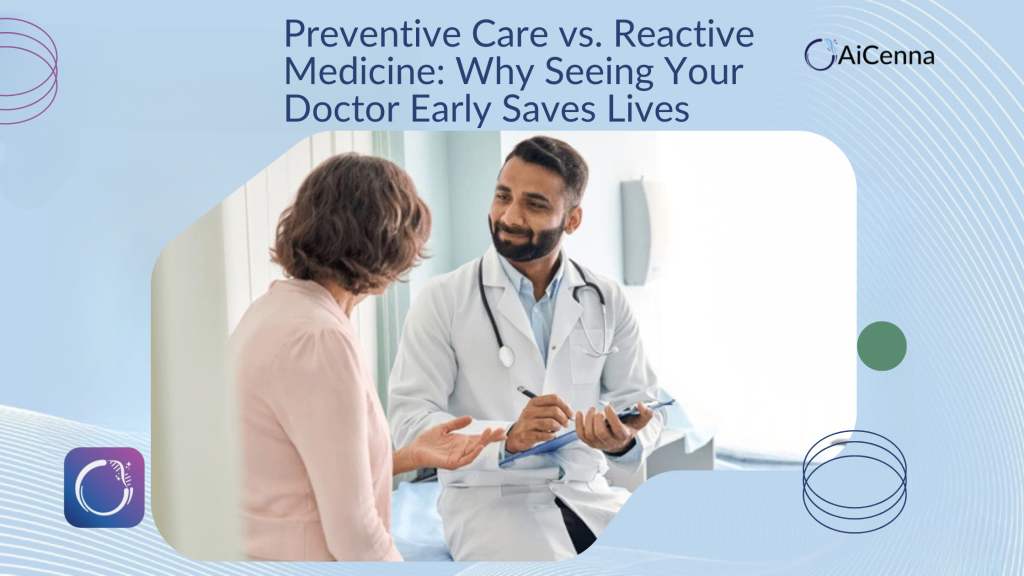
In modern healthcare, one of the most important distinctions to understand is the difference between preventive care and reactive medicine. Too often, patients only see a doctor when symptoms become severe, leading to late diagnoses and more complicated treatments. Preventive care, on the other hand, focuses on early detection and proactive lifestyle changes that can stop diseases before they become life-threatening.
The Cost of Waiting Too Long
Reactive medicine is what happens when patients seek treatment after an illness has already developed. For example, managing advanced diabetes, heart disease, or cancer often requires lifelong medication, invasive procedures, and significant lifestyle adjustments. These conditions could have been detected earlier — sometimes years before symptoms appeared — with simple preventive screenings and regular checkups.
When people wait until something “feels wrong,” they are often already in the advanced stages of disease. This not only impacts quality of life but also increases healthcare costs, the burden on families, and even overall survival rates.
The Power of Prevention
Preventive care is not only about yearly physicals; it’s about building a lifelong strategy for health. This includes:
Routine screenings for conditions like hypertension, diabetes, and cancer.
Vaccinations that protect against preventable diseases.
Lifestyle guidance from healthcare professionals on diet, exercise, and mental health.
Regular lab work to catch early warning signs before symptoms appear.
The data is clear: individuals who invest in preventive care live longer, healthier lives, and face fewer medical emergencies. Early detection often means treatments are simpler, more effective, and far less invasive.
Why Patients Delay Preventive Care
Despite its clear benefits, many patients avoid preventive care due to cost concerns, fear of diagnosis, or the misconception that “feeling fine” means being healthy. Unfortunately, this mindset is what fuels late diagnoses. A silent condition like high blood pressure or early-stage cancer doesn’t always cause symptoms — until it’s too late.
Doctors emphasize that prevention is not just about avoiding disease, but about optimizing health and longevity. Seeing your doctor early and regularly ensures small issues are addressed before they turn into big ones.
How Technology is Transforming Preventive Medicine
In today’s digital age, technology is making preventive care more accessible and effective. Tools like health apps, wearable devices, and AI-driven platforms can monitor patient data, encourage healthy behaviors, and alert doctors to early risk factors. These innovations are bridging the gap between patients and providers, ensuring prevention becomes a part of everyday life, not just an occasional checkup.
AiCenna’s Role in a Preventive Future
This is where AiCenna becomes highly relevant. By combining medical expertise with cutting-edge technology, AiCenna empowers healthcare providers and researchers to move beyond reactive treatments. Its platform leverages data, intelligent tracking, and real-time insights to help doctors and patients focus on early detection, personalized prevention, and proactive care.
Instead of waiting for diseases to progress, AiCenna enables healthcare systems to identify risks earlier, improve patient engagement, and deliver better outcomes at lower costs. For patients, this means fewer emergencies, more control over their health, and a higher quality of life.
Preventive medicine saves lives and with solutions like AiCenna, it’s becoming smarter, faster, and more effective than ever before.