Introduction
In recent years, “gut health” has become a buzzword in wellness circles. Supermarket shelves are lined with probiotic drinks, fiber supplements, and fermented foods promising to “balance your microbiome.” But beyond the marketing, there is a growing body of rigorous science showing that the trillions of microbes living in our intestines — collectively known as the gut microbiome — play a central role in human health.
Far from being passive passengers, these microbes influence digestion, immunity, metabolism, and even brain function. When the microbiome is disrupted, the consequences can ripple across the body, contributing to chronic diseases ranging from obesity to depression. Understanding the microbiome is not just a scientific curiosity; it is becoming a cornerstone of preventive medicine.
What Is the Gut Microbiome?
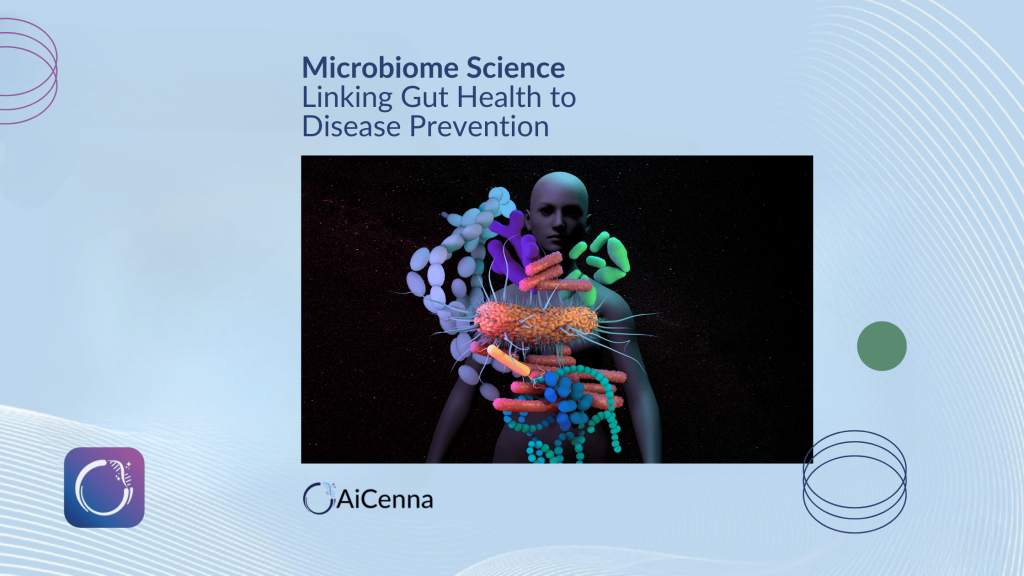
The human gut contains an estimated 100 trillion microorganisms, outnumbering human cells by roughly 10 to 1. These include bacteria, viruses, fungi, and archaea. Collectively, they carry more than 3 million genes, vastly outstripping the human genome.
Key features:
- Diversity matters: A healthy gut is characterized by a wide variety of microbial species. Reduced diversity is linked to disease.
- Symbiosis: Most microbes are not harmful; they live in a mutually beneficial relationship with the host.
- Dynamic ecosystem: The microbiome shifts with diet, age, geography, medications, and lifestyle.
(Reference: Human Microbiome Project Consortium, Nature, 2012.)
The Gut as an Immune Organ
Approximately 70% of the immune system resides in the gut. Specialized immune cells interact constantly with microbes, learning to distinguish friend from foe.
- Protective role: Beneficial bacteria prevent colonization by pathogens.
- Training the immune system: Early exposure to diverse microbes helps the immune system develop tolerance, reducing risk of allergies and autoimmune disease.
- Inflammation control: Microbial metabolites like short‑chain fatty acids (SCFAs) regulate inflammation.
When microbial balance is disrupted — a state called dysbiosis — the immune system may overreact, fueling chronic inflammation.
(Reference: Belkaid & Hand, Science, 2014.)
Gut Health and Chronic Disease
1. Obesity and Metabolic Syndrome
- Studies show obese individuals often have reduced microbial diversity.
- Certain bacteria extract more calories from food, influencing weight gain.
- Dysbiosis is linked to insulin resistance and type 2 diabetes.
2. Cardiovascular Disease
- Gut microbes metabolize dietary choline (from eggs, red meat) into trimethylamine N‑oxide (TMAO), which promotes atherosclerosis.
- Conversely, fiber‑fermenting bacteria produce SCFAs that protect against hypertension.
3. Autoimmune Disorders
- Dysbiosis has been implicated in rheumatoid arthritis, multiple sclerosis, and inflammatory bowel disease (IBD).
- Loss of tolerance to gut microbes may trigger systemic immune attacks.
4. Cancer
- Certain microbial metabolites promote DNA damage and tumor growth.
- Others, like butyrate, have anti‑cancer properties.
- Microbiome composition influences response to immunotherapy.
5. Mental Health
- The gut‑brain axis links microbial activity to mood and cognition.
- Dysbiosis is associated with anxiety, depression, and even neurodegenerative diseases.
- Mechanisms include vagus nerve signaling, immune modulation, and neurotransmitter production (e.g., serotonin).
(References: Turnbaugh et al., Nature, 2006; Wang et al., NEJM, 2011; Cryan & Dinan, Nat Rev Neurosci, 2012.)
Everyday Factors That Shape the Microbiome
- Diet
- High‑fiber diets promote beneficial bacteria that produce SCFAs.
- Western diets (high in fat, sugar, processed foods) reduce diversity.
- Fermented foods (yogurt, kefir, kimchi) introduce live microbes.
- Antibiotics
- Broad‑spectrum antibiotics can wipe out beneficial bacteria, sometimes permanently.
- Overuse is a major driver of dysbiosis.
- Birth and Early Life
- Vaginal birth and breastfeeding seed the infant microbiome.
- Early antibiotic exposure is linked to higher risk of asthma and obesity.
- Lifestyle
- Stress, sleep, and exercise all influence microbial composition.
- Chronic stress elevates cortisol, which alters gut permeability and microbial balance.
(References: Sonnenburg & Sonnenburg, Cell, 2014; Dominguez‑Bello et al., Science Translational Medicine, 2010.)
Interventions to Support Gut Health
1. Diet as Medicine
- Fiber: Aim for 25–30g/day from fruits, vegetables, legumes, and whole grains.
- Prebiotics: Non‑digestible fibers (inulin, resistant starch) that feed beneficial bacteria.
- Fermented foods: Yogurt, sauerkraut, miso, kimchi provide live cultures.
2. Probiotics and Supplements
- Evidence is strongest for probiotics in preventing antibiotic‑associated diarrhea and treating irritable bowel syndrome (IBS).
- Strain specificity matters: not all probiotics are equal.
3. Fecal Microbiota Transplantation (FMT)
- Transferring stool from a healthy donor to a patient can restore microbial balance.
- Proven effective for recurrent Clostridioides difficile infection.
- Experimental for IBD, obesity, and autism.
4. Lifestyle Approaches
- Regular exercise increases microbial diversity.
- Stress management (mindfulness, yoga) reduces gut permeability.
- Adequate sleep supports circadian rhythms that influence microbial activity.
(References: Lancet Gastroenterology, 2017; Clinical Microbiology Reviews, 2019.)
The Future of Microbiome Medicine
- Personalized nutrition: Using microbiome sequencing to tailor diets.
- Next‑generation probiotics: Engineered bacteria designed to deliver therapeutic molecules.
- Microbiome biomarkers: Predicting disease risk from microbial signatures.
- Integration with digital health: Wearable biosensors may one day track microbial metabolites in real time.
(Reference: Nature Medicine, 2021 — microbiome therapeutics review.)
Conclusion
The gut microbiome is not just a passive collection of microbes — it is an active organ that shapes immunity, metabolism, and even mental health. Preventive medicine is increasingly recognizing that nurturing gut health may be as important as managing blood pressure or cholesterol.
While the science is still evolving, certain principles are clear: eat a diverse, fiber‑rich diet, avoid unnecessary antibiotics, manage stress, and support microbial diversity. By doing so, we may reduce the burden of chronic disease and move closer to a model of healthcare that is proactive rather than reactive.