Introduction
Chronic diseases — including cardiovascular disease, diabetes, cancer, and chronic respiratory conditions — account for over 70% of global deaths each year according to the World Health Organization (WHO). These conditions are often thought of as inevitable consequences of aging, but decades of research show that they are largely preventable.
The emerging field of lifestyle medicine focuses on using evidence‑based lifestyle interventions — nutrition, physical activity, sleep, stress management, social connection, and avoidance of risky substances — as the foundation of prevention and treatment. This article explores the science behind lifestyle medicine, its clinical applications, and its potential to reshape healthcare.
What Is Lifestyle Medicine?
Lifestyle medicine is the clinical application of healthy lifestyle interventions to prevent, treat, and often reverse chronic disease. It is not alternative medicine; it is grounded in peer‑reviewed science and endorsed by major medical organizations.
Core pillars include:
- Nutrition
- Physical activity
- Sleep
- Stress management
- Social connection
- Avoidance of risky substances (tobacco, excess alcohol, drugs)
(Reference: American College of Lifestyle Medicine, 2020.)
Nutrition: Food as Medicine
- Mediterranean diet: Rich in fruits, vegetables, legumes, whole grains, nuts, and olive oil. Proven to reduce cardiovascular mortality.
- Plant‑forward diets: Associated with lower risk of obesity, diabetes, and cancer.
- Processed foods: High intake of refined sugar, salt, and trans fats increases risk of hypertension, diabetes, and heart disease.
Evidence: The PREDIMED trial (NEJM, 2013) showed a 30% reduction in major cardiovascular events among high‑risk individuals following a Mediterranean diet supplemented with nuts or olive oil.
Physical Activity: The Universal Prescription
- WHO guidelines: Adults should engage in at least 150 minutes of moderate or 75 minutes of vigorous activity per week.
- Benefits: Reduces risk of heart disease, stroke, type 2 diabetes, breast and colon cancer, and depression.
- Mechanisms: Improves insulin sensitivity, lowers blood pressure, reduces inflammation, and enhances mood.
(Reference: Lancet, 2012 — Global Burden of Disease study on physical inactivity.)
Sleep: The Overlooked Pillar
- Adults need 7–9 hours of quality sleep per night.
- Sleep deprivation is linked to obesity, diabetes, cardiovascular disease, and impaired immunity.
- Poor sleep also worsens mental health, increasing risk of depression and anxiety.
(Reference: Walker, M. “Why We Sleep,” 2017; Cappuccio et al., Eur Heart J, 2011.)
Stress Management: Calming the System
- Chronic stress elevates cortisol, contributing to hypertension, obesity, and immune dysfunction.
- Mind‑body practices such as meditation, yoga, and mindfulness reduce stress and improve resilience.
- Clinical trials show mindfulness‑based stress reduction (MBSR) lowers blood pressure and improves glycemic control.
(Reference: Kabat‑Zinn, JAMA, 1998; Chiesa & Serretti, Psychosom Med, 2009.)
Social Connection: A Hidden Determinant of Health
- Loneliness increases risk of premature death by 26% and is comparable to smoking 15 cigarettes a day.
- Strong social ties buffer stress, encourage healthy behaviors, and improve survival after illness.
- Community engagement and supportive relationships are now recognized as critical to preventive health.
(Reference: Holt‑Lunstad et al., PLoS Medicine, 2010.)
Avoidance of Risky Substances
- Tobacco: Still the leading preventable cause of death worldwide, linked to cancer, heart disease, and lung disease.
- Alcohol: Excessive use increases risk of liver disease, cancer, and accidents.
- Drugs: Substance misuse contributes to both physical and mental health burdens.
(Reference: WHO Global Report on Alcohol and Health, 2018.)
Clinical Evidence for Lifestyle Medicine
1. Diabetes Prevention Program (DPP)
- A landmark U.S. trial showed that lifestyle changes (diet, exercise, weight loss) reduced risk of type 2 diabetes by 58%, outperforming metformin. (Reference: NEJM, 2002.)
2. Ornish Lifestyle Heart Trial
- Demonstrated that intensive lifestyle changes (plant‑based diet, exercise, stress management, social support) could reverse coronary artery disease. (Reference: Ornish et al., Lancet, 1990.)
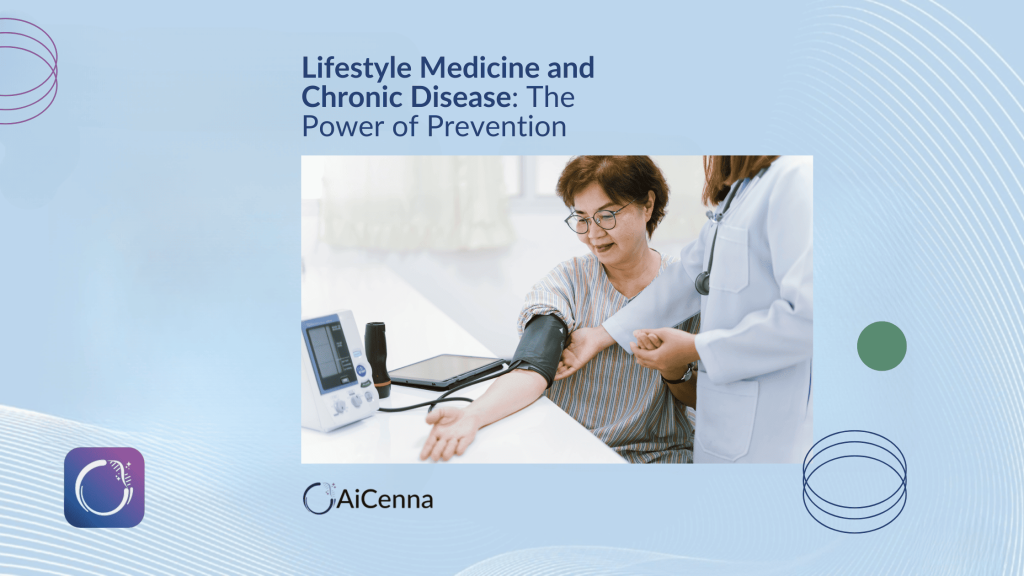
3. Hypertension
- The DASH diet (Dietary Approaches to Stop Hypertension) lowers blood pressure as effectively as medication in some patients. (Reference: JAMA, 1997.)
Barriers to Implementation
- Healthcare system inertia: Focus remains on pharmaceuticals and procedures.
- Time constraints: Clinicians often lack time to counsel patients on lifestyle.
- Training gaps: Few medical schools provide robust education in nutrition or behavior change.
- Socioeconomic factors: Poverty, food deserts, and unsafe neighborhoods limit healthy choices.
The Future of Lifestyle Medicine
- Integration with digital health: Wearables and apps track activity, sleep, and diet, providing real‑time feedback.
- AI‑driven personalization: Algorithms tailor lifestyle prescriptions to individual genetics and preferences.
- Policy interventions: Taxes on sugary drinks, subsidies for healthy foods, and urban design promoting physical activity.
- Medical education reform: Expanding training in nutrition and behavior change for future physicians.
(Reference: Lancet Public Health, 2021 — “Lifestyle medicine and the future of healthcare.”)
Conclusion
Chronic diseases are not inevitable. Lifestyle medicine demonstrates that simple, evidence‑based changes in daily habits can prevent, treat, and even reverse many of the world’s leading killers.
The challenge is not whether lifestyle medicine works — the evidence is overwhelming. The challenge is how to integrate it into healthcare systems, medical education, and public policy. If achieved, lifestyle medicine could shift the focus of healthcare from managing disease to creating health.