Introduction
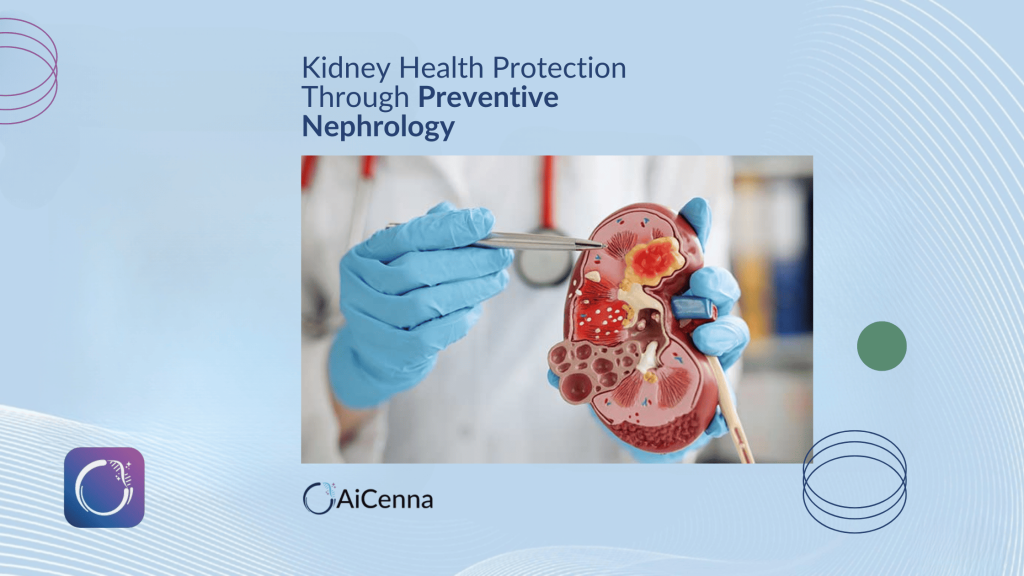
The kidneys are often overlooked until something goes wrong. Yet these two bean‑shaped organs filter about 50 gallons of blood every single day, removing waste, balancing electrolytes, regulating blood pressure, and producing hormones critical for bone and red blood cell health.
Chronic kidney disease (CKD) affects nearly 850 million people worldwide, according to the International Society of Nephrology, and is projected to become the fifth leading cause of death by 2040. The tragedy is that much of this burden is preventable. Preventive nephrology focuses on protecting kidney health before irreversible damage occurs, shifting care from dialysis and transplantation to early detection and proactive management.
Why Kidney Health Matters
- Silent progression: CKD often develops without symptoms until advanced stages.
- High mortality: End‑stage kidney disease (ESKD) requires dialysis or transplantation, both costly and resource‑intensive.
- Systemic impact: Kidney dysfunction increases risk of cardiovascular disease, infections, bone disorders, and cognitive decline.
- Economic burden: Dialysis consumes up to 2–3% of healthcare budgets in high‑income countries, despite serving <0.1% of the population.
(Reference: Jager et al., Nat Rev Nephrol, 2019.)
Major Risk Factors for Kidney Disease
1. Diabetes
- The leading cause of CKD worldwide.
- High blood sugar damages kidney blood vessels (diabetic nephropathy).
2. Hypertension
- Elevated blood pressure injures kidney filtration units (glomeruli).
- Creates a vicious cycle: kidney disease further raises blood pressure.
3. Obesity and Metabolic Syndrome
- Increase risk of both diabetes and hypertension.
4. Cardiovascular Disease
- Heart and kidney health are tightly linked (“cardiorenal syndrome”).
5. Infections and Toxins
- Recurrent urinary tract infections, nephrotoxic drugs (NSAIDs, some antibiotics), and heavy metals contribute to CKD.
6. Genetic Disorders
- Polycystic kidney disease (PKD) and Alport syndrome predispose to early kidney failure.
(Reference: KDIGO Clinical Practice Guidelines, 2022.)
Tools for Early Detection
1. Blood Tests
- Serum creatinine and estimated glomerular filtration rate (eGFR) detect reduced kidney function.
2. Urine Tests
- Albumin‑to‑creatinine ratio (ACR) identifies early kidney damage.
- Proteinuria is one of the earliest warning signs.
3. Imaging
- Ultrasound detects structural abnormalities, cysts, or obstruction.
4. Risk Scores and Digital Tools
- AI‑driven algorithms predict CKD progression using EHR data.
(Reference: Tangri et al., JAMA, 2011 — Kidney Failure Risk Equation.)
Preventive Interventions
1. Lifestyle Medicine
- Diet: Low‑salt, balanced protein, plant‑forward diets reduce kidney strain.
- Exercise: Improves blood pressure and insulin sensitivity.
- Hydration: Adequate fluid intake supports kidney filtration.
2. Blood Pressure and Diabetes Control
- ACE inhibitors and ARBs protect kidneys in hypertensive and diabetic patients.
- Tight glycemic control reduces risk of diabetic nephropathy.
3. Avoiding Nephrotoxins
- Limiting NSAID use.
- Monitoring drug dosing in patients with reduced kidney function.
4. Vaccination
- Hepatitis B and influenza vaccines reduce infection‑related kidney complications.
5. Patient Education
- Empowering patients to monitor blood pressure, glucose, and kidney function.
Case Studies and Evidence
- Diabetes Prevention Program (DPP): Lifestyle interventions reduced incidence of diabetes by 58%, indirectly lowering CKD risk. (Reference: NEJM, 2002.)
- Steno‑2 Study: Intensive multifactorial intervention (diet, exercise, BP and glucose control) reduced risk of nephropathy in type 2 diabetes. (Reference: Gaede et al., NEJM, 2003.)
- CKD Screening Programs: Community‑based urine testing in Japan and Taiwan led to earlier detection and reduced dialysis incidence.
Preventive Nephrology Across the Lifespan
Children
- Screening for congenital anomalies and genetic kidney diseases.
- Preventing recurrent infections and dehydration.
Adults
- Monitoring high‑risk groups (diabetes, hypertension, obesity).
- Workplace interventions to reduce heat stress and dehydration in outdoor workers.
Older Adults
- Avoiding polypharmacy and nephrotoxic drugs.
- Monitoring for age‑related decline in kidney function.
Challenges and Barriers
- Silent disease: Lack of symptoms delays diagnosis.
- Access: Limited screening in low‑ and middle‑income countries.
- Awareness: Many patients are unaware of CKD until advanced stages.
- Equity: Disparities in access to healthy food, safe water, and healthcare.
The Future of Preventive Nephrology
- AI and digital health: Predicting CKD progression and personalizing interventions.
- Biomarkers: Novel markers (NGAL, KIM‑1) may detect kidney injury earlier than creatinine.
- Precision medicine: Genetic testing to identify high‑risk individuals.
- Policy initiatives: Integrating CKD screening into primary care and public health programs.
(Reference: Nature Medicine, 2021 — “The future of kidney health.”)
Conclusion
The kidneys are silent workhorses, but their failure is anything but silent. Preventive nephrology emphasizes early detection, lifestyle interventions, and proactive management to protect kidney health long before dialysis or transplantation is needed.
By integrating kidney health into preventive medicine, we can reduce the global burden of CKD, improve quality of life, and save billions in healthcare costs. Protecting the kidneys is not just about avoiding dialysis — it is about safeguarding the body’s entire internal balance.