Introduction
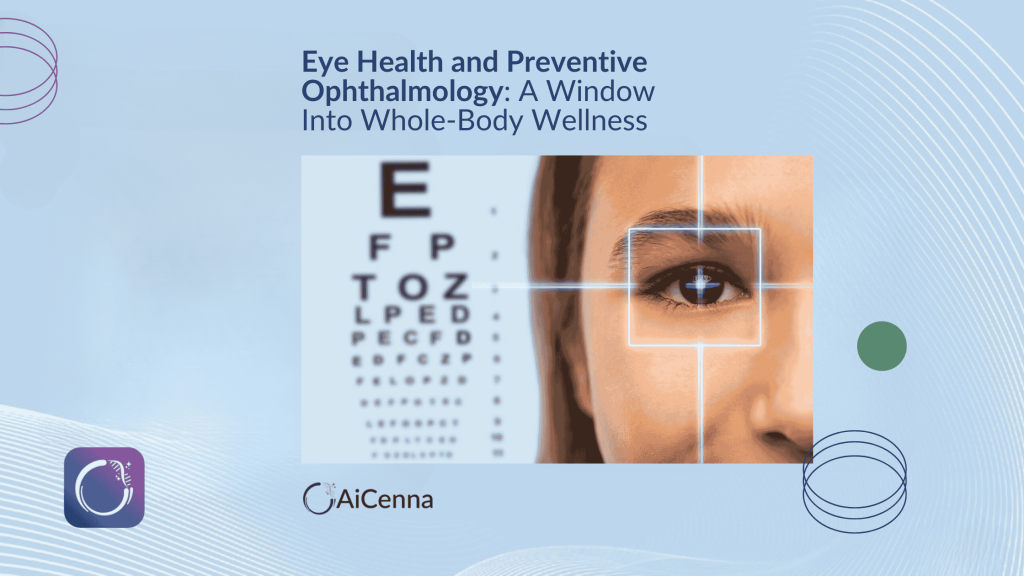
The eyes are often called the “windows to the soul,” but in medicine, they are also windows to the body. Ophthalmologists and optometrists can detect not only eye diseases but also systemic conditions such as diabetes, hypertension, autoimmune disorders, and even neurodegenerative diseases.
Preventive ophthalmology — the practice of using eye examinations and interventions to detect and prevent disease — is increasingly recognized as a cornerstone of whole‑body health. This article explores how the eye reveals systemic disease, the importance of preventive eye care, and the future of ophthalmology in preventive medicine.
The Eye as a Diagnostic Window
1. Diabetes
- Diabetic retinopathy is one of the earliest and most common complications of diabetes.
- Retinal blood vessel changes can appear years before other symptoms.
- Regular eye exams can detect diabetes in undiagnosed patients. (Reference: Yau et al., Diabetes Care, 2012.)
2. Hypertension
- Hypertensive retinopathy shows as narrowed arteries, hemorrhages, and swelling of the optic nerve.
- Eye exams can reveal uncontrolled blood pressure before cardiovascular events occur. (Reference: Wong & Mitchell, Lancet, 2007.)
3. Autoimmune Disorders
- Conditions like lupus, rheumatoid arthritis, and multiple sclerosis often manifest with eye inflammation (uveitis, optic neuritis).
- Early detection can prompt systemic evaluation.
4. Neurodegenerative Diseases
- Retinal thinning and optic nerve changes are linked to Alzheimer’s and Parkinson’s disease.
- Optical coherence tomography (OCT) is being studied as a biomarker for early neurodegeneration. (Reference: London et al., Prog Retin Eye Res, 2013.)
5. Infectious Diseases
- HIV, syphilis, and tuberculosis can all present with ocular findings.
- Eye exams may be the first clue to systemic infection.
Preventive Eye Care Across the Lifespan
Children
- Early screening detects amblyopia (“lazy eye”), strabismus, and refractive errors.
- Prevents lifelong vision impairment if treated early.
Adults
- Regular exams detect glaucoma, diabetic retinopathy, and macular degeneration.
- Eye health reflects systemic vascular and metabolic health.
Older Adults
- Age‑related macular degeneration (AMD) is a leading cause of blindness.
- Preventive care includes lifestyle counseling (smoking cessation, diet rich in antioxidants).
(Reference: Age‑Related Eye Disease Study [AREDS], Arch Ophthalmol, 2001.)
The Burden of Preventable Blindness
- WHO estimates that at least 1 billion people worldwide live with preventable or untreated vision impairment.
- Leading causes: uncorrected refractive errors, cataracts, diabetic retinopathy, and glaucoma.
- Preventive ophthalmology could dramatically reduce this burden through early detection and treatment.
(Reference: WHO World Report on Vision, 2019.)
Innovations in Preventive Ophthalmology
1. Retinal Imaging and AI
- AI algorithms analyze retinal photographs to detect diabetic retinopathy, glaucoma, and cardiovascular risk.
- Google Health’s algorithm achieved sensitivity comparable to ophthalmologists in detecting diabetic retinopathy. (Reference: Gulshan et al., JAMA, 2016.)
2. Tele‑ophthalmology
- Remote retinal imaging expands access in underserved areas.
- Proven effective in rural diabetes screening programs.
3. Portable Devices
- Handheld fundus cameras and smartphone‑based imaging make screening more accessible.
4. Biomarker Discovery
- Retinal imaging is being studied as a non‑invasive biomarker for Alzheimer’s, cardiovascular disease, and stroke risk.
Preventive Strategies for Eye Health
- Regular eye exams: Every 1–2 years for adults, more frequently for those with diabetes or hypertension.
- Lifestyle interventions: Smoking cessation, healthy diet, exercise, and UV protection reduce risk of AMD and cataracts.
- Systemic disease management: Controlling blood sugar, blood pressure, and cholesterol protects eye health.
- Public health programs: School vision screening, community outreach, and affordable corrective lenses.
Challenges and Barriers
- Access: Millions lack access to basic eye care, especially in low‑income countries.
- Awareness: Many people delay eye exams until vision problems occur.
- Integration: Eye health is often siloed from general healthcare.
- Equity: Disparities in access to preventive ophthalmology widen health inequalities.
The Future of Preventive Ophthalmology
- AI‑driven screening: Automated retinal analysis in primary care clinics.
- Integration with systemic health: Eye exams as part of routine preventive check‑ups.
- Global initiatives: WHO’s “Vision 2030” aims to reduce avoidable blindness worldwide.
- Precision ophthalmology: Combining genomics, imaging, and biomarkers for personalized prevention.
Conclusion
The eyes are more than organs of vision — they are mirrors of systemic health. Preventive ophthalmology demonstrates how routine eye exams can detect diabetes, hypertension, autoimmune disease, and even neurodegeneration before symptoms appear.
By integrating eye care into preventive medicine, we can reduce the global burden of blindness, improve systemic disease detection, and enhance quality of life. In the future, a simple retinal scan may become as routine as checking blood pressure — a vital sign of whole‑body health.