
Sleep Tracking Devices: Can Technology Really Improve Your Rest?
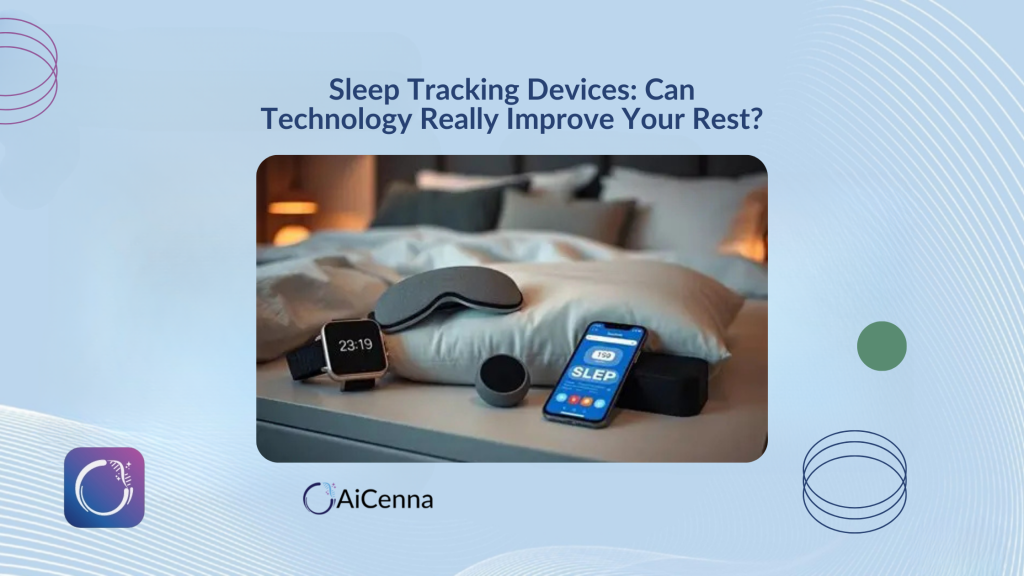
Introduction Sleep is one of the most fundamental pillars of health, yet it remains one of the least understood by the general public. While nutrition and exercise often dominate conversations about wellness, sleep is equally critical for memory, immunity, metabolism, and emotional regulation. In recent years, sleep tracking devices — from smartwatches to under‑mattress sensors — have promised to help people better understand and improve their rest. But can technology really deliver on this promise? Or do sleep trackers risk creating more anxiety than benefit? This article explores the science of sleep, the technology behind trackers, their benefits and limitations, and what doctors say about using them responsibly. The Science of Sleep Sleep is not a uniform state but a cycle of distinct stages: A typical adult cycles through these stages 4–6 times per night. Disruptions to this architecture — whether from stress, illness, or environment — can impair health. (Reference: Carskadon & Dement, Principles and Practice of Sleep Medicine, 2017.) How Sleep Tracking Devices Work Most consumer sleep trackers rely on actigraphy — measuring movement and sometimes heart rate to infer sleep stages. More advanced devices incorporate: Clinical gold standards like polysomnography (PSG) — which measures brain waves, eye movements, and muscle activity — remain more accurate, but are impractical for daily use. (Reference: de Zambotti et al., Sleep, 2019 — validation of consumer sleep trackers.) Benefits of Sleep Tracking 1. Awareness and Accountability 2. Behavior Change 3. Early Detection 4. Integration with Lifestyle (Reference: Chinoy et al., J Clin Sleep Med, 2021.) Limitations and Risks 1. Accuracy Issues 2. Orthosomnia 3. Data Overload 4. Privacy Concerns (Reference: Baron et al., J Clin Sleep Med, 2017 — orthosomnia study.) What Doctors Say Sleep specialists generally view trackers as useful awareness tools, but not diagnostic devices. (Reference: American Academy of Sleep Medicine, 2020 position statement.) Practical Tips for Using Sleep Trackers Wisely The Future of Sleep Technology (Reference: Nature Digital Medicine, 2022 — AI in sleep monitoring.) Conclusion Sleep tracking devices have opened a new window into one of the most mysterious aspects of human biology. While they cannot yet match the precision of clinical sleep studies, they can raise awareness, encourage healthier habits, and even flag potential disorders. The key is balance: use trackers as guides, not judges. Technology can illuminate patterns, but the ultimate measure of good sleep is how you feel during the day — alert, focused, and resilient. In the end, the best sleep “score” is not on your wrist, but in your lived experience of health and vitality.
Skin Defense Strategies Through Preventive Dermatology
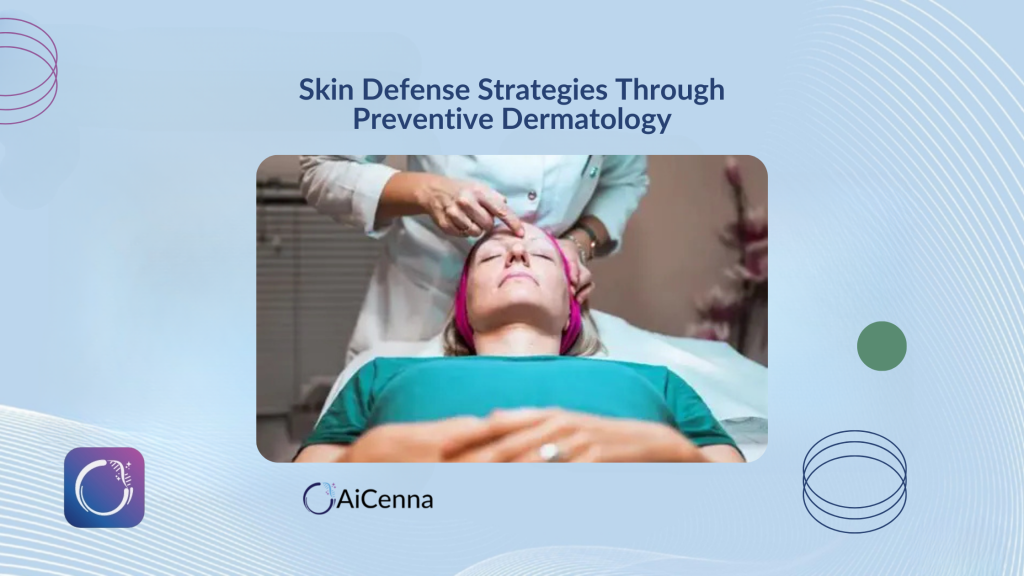
Introduction The skin is the body’s largest organ, covering nearly two square meters in adults and accounting for about 16% of body weight. Far from being a passive barrier, it is a dynamic organ that protects against pathogens, regulates temperature, prevents water loss, and communicates with the immune system. Because of its visibility and accessibility, the skin also provides early warning signs of systemic disease. Preventive dermatology focuses on maintaining skin health, preventing disease, and using the skin as a diagnostic window into overall health. This article explores the science of skin as a protective barrier, the role of preventive dermatology in chronic disease, and the future of skin health in preventive medicine. The Skin as a Barrier and Immune Organ (Reference: Elias, P. “Skin barrier function.” Curr Allergy Asthma Rep, 2008.) Preventive Dermatology in Action 1. Skin Cancer Prevention 2. Chronic Inflammatory Skin Diseases 3. Infectious Disease Prevention 4. Occupational Dermatology Skin as a Window to Systemic Disease (Reference: Bolognia et al., Dermatology, 2018.) Preventive Dermatology Across the Lifespan Children Adults Older Adults Public Health and Preventive Dermatology (Reference: WHO, “Skin cancers: prevention and control,” 2022.) Innovations in Preventive Dermatology 1. AI and Teledermatology 2. Genomics and Personalized Prevention 3. Skin Microbiome Research 4. Wearable UV Sensors Challenges and Barriers The Future of Preventive Dermatology Conclusion The skin is not just a surface covering — it is a first line of defense and a diagnostic mirror of systemic health. Preventive dermatology reduces the burden of skin cancer, inflammatory disease, and infections while also providing early clues to systemic illness. By integrating dermatology into preventive medicine, we can improve both skin health and overall health outcomes. In the future, preventive dermatology may be as central to medicine as blood pressure checks or cholesterol screening — a vital sign of whole‑body wellness.
Preventive Rheumatology and Autoimmune Disease: The Power of Early Diagnosis
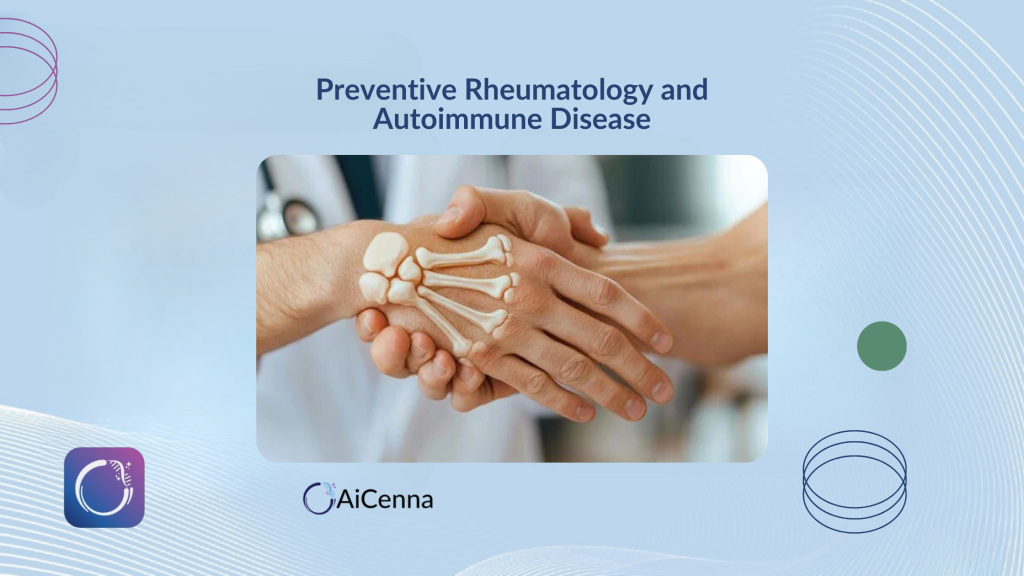
Introduction Autoimmune and rheumatic diseases — including rheumatoid arthritis (RA), systemic lupus erythematosus (SLE), psoriatic arthritis, and ankylosing spondylitis — affect hundreds of millions worldwide. These conditions occur when the immune system mistakenly attacks the body’s own tissues, leading to chronic inflammation, pain, and organ damage. Traditionally, rheumatology has focused on managing established disease. But by the time joint deformities, organ involvement, or disability appear, much of the damage is irreversible. Preventive rheumatology seeks to identify risk factors, detect disease in its earliest stages, and intervene before permanent harm occurs. Why Early Detection Matters Risk Factors for Autoimmune and Rheumatic Disease Genetic Environmental Hormonal and Gender Factors Lifestyle (Reference: Firestein & McInnes, Nat Rev Immunol, 2017.) Tools for Early Detection 1. Biomarkers 2. Imaging 3. Genetic Testing 4. Digital Biomarkers (Reference: van Steenbergen et al., Arthritis Rheumatol, 2014.) Preventive Interventions 1. Lifestyle Medicine 2. Pharmacologic Prevention 3. Vaccination 4. Patient Education Case Studies and Evidence Preventive Rheumatology Across the Lifespan Children Adults Older Adults Challenges and Barriers The Future of Preventive Rheumatology (Reference: Nature Reviews Rheumatology, 2021 — “Precision prevention in autoimmune disease.”) Conclusion Preventive rheumatology represents a paradigm shift: from treating irreversible damage to catching autoimmune disease early. By identifying risk factors, leveraging biomarkers and imaging, and promoting lifestyle interventions, clinicians can intervene before joints are destroyed or organs are compromised. The future of rheumatology lies not only in powerful biologic drugs but in precision prevention — ensuring that autoimmune disease is detected early, managed proactively, and, one day, perhaps prevented altogether.
Preventive Health and Loneliness: The Critical Role of Social Connections

Introduction When we think about preventive health, we often focus on diet, exercise, sleep, and medical check‑ups. Yet one of the most powerful predictors of long‑term health is less obvious: social connection. Humans are inherently social beings, and our relationships — or lack thereof — profoundly shape our physical and mental well‑being. In recent years, loneliness has emerged as a significant public health concern. Research shows that chronic loneliness is as harmful to health as smoking 15 cigarettes a day, and more dangerous than obesity. Understanding why social connections matter, and how loneliness damages health, is essential for building a more holistic approach to prevention. The Science of Social Connection Social connection refers to the sense of belonging and closeness we feel with others. It includes: These dimensions interact to influence health outcomes. A large network without meaningful support may not protect health, while even a few close, supportive relationships can be profoundly protective. (Reference: Berkman & Glass, Social Epidemiology, 2000.) Loneliness vs. Social Isolation Both are harmful, but loneliness — the perception of being alone — is particularly damaging because it activates stress pathways in the brain. (Reference: Cacioppo & Cacioppo, Ann Rev Psychol, 2018.) How Loneliness Affects the Body 1. Stress Response 2. Immune Function 3. Cardiovascular Health 4. Cognitive Decline 5. Mental Health (References: Hawkley & Cacioppo, Curr Dir Psychol Sci, 2010; Holt‑Lunstad et al., PLoS Medicine, 2010.) Loneliness as a Public Health Risk In 2023, the U.S. Surgeon General declared loneliness an epidemic, citing its widespread prevalence and health consequences. Similar concerns have been raised globally, particularly in aging populations. Key statistics: (Reference: U.S. Surgeon General’s Advisory on Loneliness, 2023.) Protective Power of Social Connections 1. Emotional Support 2. Behavioral Influence 3. Physiological Benefits 4. Cognitive Stimulation (Reference: Umberson & Montez, J Health Soc Behav, 2010.) Who Is Most at Risk? Interventions and Solutions Individual Strategies Healthcare Approaches Policy and Community Initiatives (References: National Academies of Sciences, Engineering, and Medicine, 2020 — “Social Isolation and Loneliness in Older Adults.”) Ethical Considerations While promoting social connection is beneficial, it is important to respect individual differences. Some people value solitude and may not experience it as loneliness. Interventions should be supportive, not prescriptive, and should avoid pathologizing normal variations in social preference. The Future of Social Health (Reference: Nature Human Behaviour, 2021 — “The biology of loneliness.”) Conclusion Loneliness is not just an emotional state — it is a biological stressor with profound consequences for health. Social connections, on the other hand, act as a powerful form of preventive medicine, protecting against chronic disease, cognitive decline, and premature death. As healthcare shifts toward prevention, recognizing the role of social connection is essential. Building and maintaining relationships is not just a matter of happiness — it is a matter of health and longevity.
Oral Health and Preventive Dentistry: A Key to Whole‑Body Care

Introduction When most people think of dentistry, they picture cleanings, fillings, or braces. But modern science has revealed that oral health is far more than a cosmetic or localized issue. The mouth is a gateway to the body, and poor oral health is linked to systemic conditions ranging from cardiovascular disease to diabetes and even dementia. Preventive dentistry — the practice of maintaining oral health through regular care, hygiene, and early intervention — is increasingly recognized as a cornerstone of whole‑body health. This article explores the evidence connecting oral and systemic health, the role of preventive dentistry, and how integrating dental care into preventive medicine could reduce the global burden of chronic disease. Oral Health and Systemic Disease: The Evidence 1. Cardiovascular Disease 2. Diabetes 3. Pregnancy Outcomes 4. Respiratory Disease 5. Cognitive Decline What Is Preventive Dentistry? Preventive dentistry focuses on maintaining oral health to prevent disease rather than treating it after it develops. Core practices include: (Reference: American Dental Association, 2020.) Preventive Dentistry Across the Lifespan Children Adults Older Adults The Economic Case for Preventive Dentistry (Reference: WHO Oral Health Report, 2022.) Barriers to Preventive Dentistry Innovations in Preventive Dentistry (Reference: Nature Reviews Dentistry, 2021.) The Future: Integrating Dentistry into Preventive Medicine Conclusion Preventive dentistry is not just about teeth — it is about whole‑body health. The evidence is clear: oral health influences cardiovascular, metabolic, respiratory, reproductive, and cognitive outcomes. By prioritizing preventive dental care across the lifespan, we can reduce the burden of chronic disease, improve quality of life, and lower healthcare costs. The mouth is not separate from the body. It is the front line of preventive medicine.
Nutrition as Preventive Medicine: What Doctors Really Recommend Beyond Fad Diets

Introduction Nutrition is one of the most powerful tools in preventive medicine. While fad diets dominate headlines and social media feeds, physicians and researchers rely on decades of evidence to guide patients toward dietary patterns that reduce the risk of chronic disease. The science is clear: what we eat shapes our long‑term health more than almost any other lifestyle factor. The Role of Diet in Chronic Disease Prevention (References: World Health Organization, American Heart Association, American Diabetes Association.) Evidence‑Based Dietary Patterns 1. The Mediterranean Diet 2. The DASH Diet (Dietary Approaches to Stop Hypertension) 3. Plant‑Forward Eating Common Misconceptions and Fads (Reference: Harvard T.H. Chan School of Public Health, Mayo Clinic.) Nutritional Genomics: The Next Frontier Emerging research explores how genes interact with diet. For example, individuals with certain genetic variants may metabolize fats or caffeine differently. While promising, this field is still developing and not yet ready for routine clinical use. (Reference: Nature Reviews Genetics, 2020.) Public Health Perspective (Reference: WHO Global Nutrition Report, 2021.) Practical Recommendations from Physicians Conclusion Nutrition is not about chasing the latest trend. it is about building sustainable habits rooted in science. Evidence consistently shows that balanced, plant‑forward diets rich in whole foods reduce the risk of chronic disease and improve quality of life. Preventive medicine begins on the plate, long before a prescription is written.