
Introduction
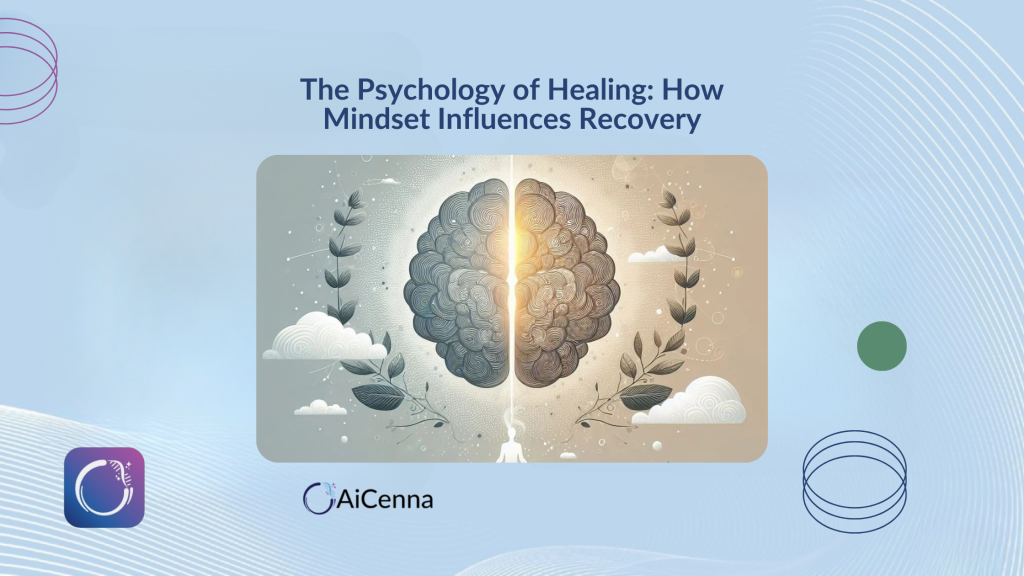
Healing is often described in physical terms — wounds closing, bones knitting, infections resolving. Yet recovery is not purely biological. Over the past several decades, research in psychology, neuroscience, and medicine has revealed that the mind plays a powerful role in how the body heals. Optimism, resilience, and social support can accelerate recovery, while stress, depression, and hopelessness can slow it down.
This article explores the science of how mindset influences healing, the mechanisms behind the mind‑body connection, and practical strategies patients and clinicians can use to harness psychology as a tool for recovery.
The Mind‑Body Connection: More Than a Metaphor
The idea that mental states affect physical health is not new. Ancient traditions such as Ayurveda and Traditional Chinese Medicine emphasized harmony between mind and body. Modern science now provides biological explanations for these observations.
- Psychoneuroimmunology (PNI): A field studying how psychological factors influence the immune system. Stress hormones like cortisol can suppress immunity, while positive emotions can enhance it.
- Placebo effect: Demonstrates that belief itself can trigger measurable physiological changes, from pain relief to improved motor function.
- Neuroplasticity: The brain’s ability to rewire itself in response to experience, which plays a role in rehabilitation after injury or stroke.
(Reference: Ader, R. “Psychoneuroimmunology,” Academic Press, 2007.)
How Mindset Shapes Recovery
1. Optimism and Positive Expectations
- Optimistic patients often recover faster from surgery and illness.
- A study of cardiac bypass patients found that those with positive expectations were more likely to return to normal activities within six months. (Reference: Scheier et al., J Pers Soc Psychol, 1989.)
2. Stress and Anxiety
- Chronic stress elevates cortisol, which delays wound healing and suppresses immune function.
- Anxiety before surgery is linked to longer hospital stays and higher complication rates. (Reference: Kiecolt‑Glaser et al., Lancet, 1995.)
3. Depression and Hopelessness
- Depression is associated with slower recovery from stroke, heart attack, and cancer treatment.
- Hopelessness can reduce adherence to rehabilitation and medication regimens. (Reference: Whooley et al., JAMA, 2008.)
4. Resilience and Coping Skills
- Patients who use adaptive coping strategies (problem‑solving, seeking support) fare better than those who rely on avoidance or denial.
- Resilience training has been shown to improve outcomes in chronic illness.
Biological Mechanisms Linking Mindset and Healing
1. Stress Hormones
- Cortisol and adrenaline prepare the body for “fight or flight,” but chronic elevation suppresses immunity and slows tissue repair.
2. Immune System Modulation
- Positive emotions increase natural killer cell activity and antibody production.
- Negative emotions reduce immune surveillance, increasing susceptibility to infection.
3. Inflammation
- Psychological stress is linked to higher levels of pro‑inflammatory cytokines, which contribute to delayed healing and chronic disease.
4. Pain Perception
- Mindset influences how pain is experienced. Catastrophizing increases pain intensity, while mindfulness reduces it.
(References: Segerstrom & Miller, Psychol Bull, 2004; Slavich & Irwin, Nat Rev Immunol, 2014.)
The Role of Social Support
Healing is not only individual but also social.
- Patients with strong social networks recover faster from surgery and live longer with chronic illness.
- Loneliness is associated with higher inflammation and slower wound healing.
- Supportive relationships buffer stress and encourage adherence to treatment.
(Reference: Holt‑Lunstad et al., PLoS Medicine, 2010.)
Clinical Applications
1. Pre‑surgical Interventions
- Stress management programs before surgery reduce complications and shorten recovery time.
2. Cognitive Behavioral Therapy (CBT)
- Helps patients reframe negative thoughts, improving adherence and reducing depression.
3. Mindfulness and Meditation
- Shown to lower cortisol, reduce pain perception, and improve immune function.
4. Rehabilitation Programs
- Incorporating psychological support into physical rehab improves outcomes for stroke and orthopedic patients.
(References: Kabat‑Zinn, JAMA, 1998; Chida & Steptoe, Psychol Bull, 2008.)
Practical Strategies for Patients
- Cultivate optimism: Keep a gratitude journal, focus on small improvements.
- Manage stress: Practice breathing exercises, yoga, or meditation.
- Seek support: Engage with family, friends, or support groups.
- Stay engaged: Set realistic goals and celebrate progress.
- Communicate openly: Share fears and concerns with healthcare providers.
Ethical Considerations
It is important to note that mindset is not a cure‑all. Suggesting that patients can “think their way” to recovery risks blaming individuals for illness. Mindset should be seen as one factor among many — alongside medical treatment, genetics, and environment — that influences healing.
The Future of Healing Psychology
- Digital interventions: Apps delivering CBT or mindfulness training.
- Biomarker integration: Tracking stress hormones alongside psychological assessments.
- Personalized medicine: Tailoring recovery plans to psychological as well as biological profiles.
(Reference: Nature Medicine, 2021 — digital mental health interventions.)
Conclusion
Healing is not only a physical process but also a psychological one. Optimism, resilience, and social support can accelerate recovery, while stress and depression can slow it down. By integrating psychological care into medical treatment, healthcare systems can improve outcomes and enhance quality of life.
The science of healing psychology reminds us that recovery is not just about repairing the body — it is about nurturing the mind as well.