
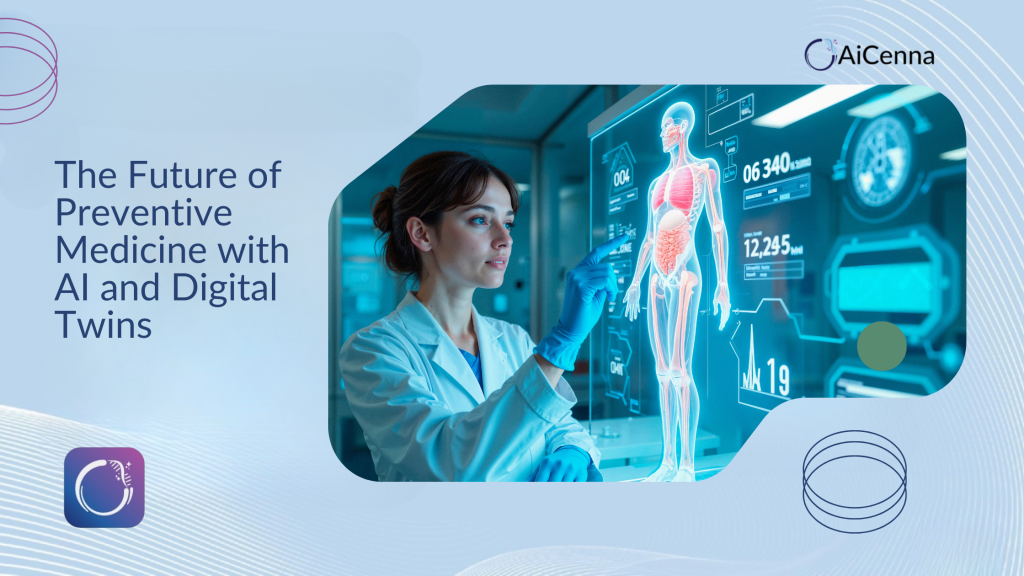
Preventive medicine has become one of the most important shifts in modern healthcare. Instead of waiting until a patient becomes sick, doctors are increasingly using advanced technologies to detect and even predict disease before symptoms appear. This forward-looking approach is reshaping how hospitals, clinics, and even policymakers think about health – and it’s saving lives.
From Treatment to Prevention
Traditionally, healthcare systems have focused heavily on treatment. A patient visits a doctor once symptoms become unmanageable, the doctor diagnoses the condition, and treatment begins. While this has saved countless lives, it often comes at a high cost—both financially and physically—because interventions happen late.
Preventive medicine, on the other hand, emphasizes screenings, lifestyle changes, vaccinations, and early risk detection. Doctors see this as a way to reduce the burden of chronic diseases such as diabetes, heart disease, and certain cancers, which consume the majority of healthcare resources worldwide.
Technology’s Role in Prevention
Advancements in technology are pushing prevention further than ever. Wearable devices now allow continuous monitoring of heart rate, blood pressure, and blood sugar levels. These tools help patients understand their health daily, not just at annual check-ups. Doctors increasingly use this data to spot early warning signs before they escalate.
Electronic health records (EHRs) have also enabled longitudinal tracking of patients, giving doctors a more complete picture of risks and patterns. Preventive algorithms embedded in EHRs are now alerting physicians about patients at risk for developing chronic conditions, sometimes years in advance.
AiCenna is developing solutions that allow healthcare providers to analyze complex patient data streams, making preventive strategies more targeted and effective.
Patient Engagement
One of the biggest challenges doctors face in preventive medicine is patient engagement. Many patients only visit a physician when a problem is urgent, meaning preventive screenings often get skipped. Doctors stress the need for continuous patient education and easier access to primary care.
Community health programs and digital tools are helping close this gap. Patients can now receive reminders for vaccinations, follow-up appointments, or lifestyle coaching directly through mobile apps. This improves adherence to preventive care plans and helps reduce late-stage diagnoses.
Personalized Prevention
Another promising frontier is personalized medicine. Instead of relying on population-level recommendations, doctors are beginning to tailor preventive strategies based on an individual’s genetics, lifestyle, and environment. For example, genetic testing can reveal a patient’s predisposition to certain cancers, allowing preventive monitoring to start earlier.
Doctors also use lifestyle-specific interventions. A patient with a sedentary job may receive different preventive advice compared to one working in a physically demanding environment. This approach aligns healthcare with the unique needs of each person.
Preventive Medicine and Healthcare Costs
Globally, healthcare systems are under financial strain. Preventive medicine offers a way to reduce costs while improving outcomes. For instance, preventing a heart attack through early cholesterol management is far less expensive than treating one with emergency surgery, hospital stays, and long-term rehabilitation.
Governments and insurers are increasingly incentivizing preventive measures. Some programs reward patients with lower insurance premiums for attending regular screenings or maintaining healthy habits. This trend reflects the recognition that prevention is not just medically beneficial, but also economically sustainable.
The Road Ahead
Doctors believe preventive medicine will become the foundation of healthcare within the next decade. As technology improves, patients will have greater tools to track their health, and physicians will gain more insights into long-term risks. The cultural shift from reactive care to proactive care is already underway.
For patients, this means better health outcomes, fewer medical emergencies, and more affordable healthcare overall. For doctors, it means a deeper role in guiding lifestyle, community, and systemic health practices rather than focusing solely on late-stage interventions.
Preventive medicine is no longer a trend—it’s the future. And with AI tools like AiCenna, that future is already here.
Whether you’re a healthcare provider looking to improve patient outcomes or someone interested in taking control of your health, platforms like AiCenna are making it possible to predict, prevent, and personalize care like never before.