
Introduction:
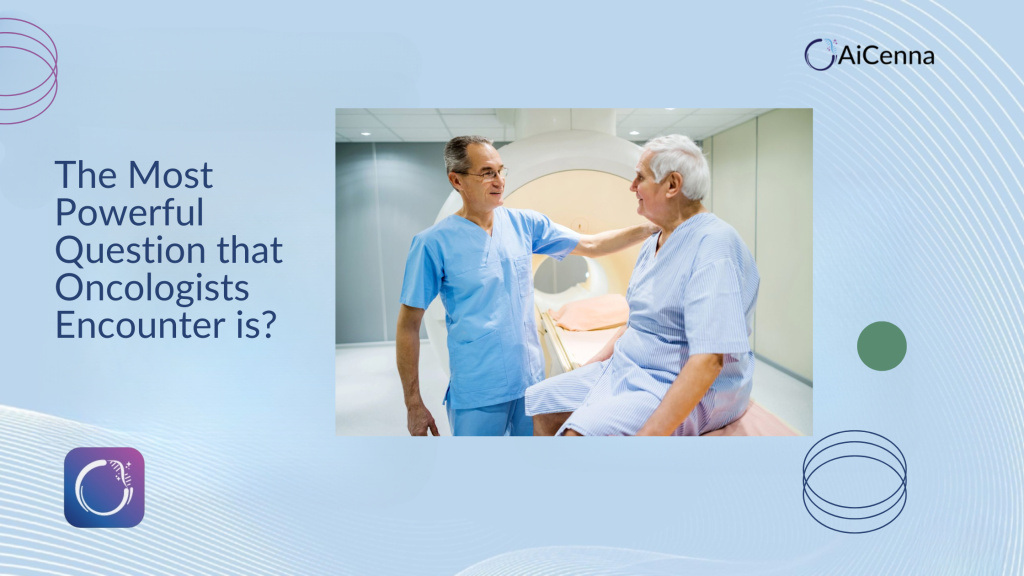
As an oncologist, the most powerful question I encounter is, “Doctor, what are my chances?” The answer almost always hinges on a single, critical factor: how early we found the cancer. The difference between a stage I and stage IV diagnosis isn’t just a number—it’s the difference between a treatable condition and a life-altering battle. This article will explore the profound impact of early detection on survival rates and the tools that make it possible.
The Statistical Reality: Data from the National Cancer Institute’s SEER program shows a staggering disparity. For instance, the 5-year relative survival rate for localized breast cancer is 99%, compared to 30% for cancer that has metastasized. Similar chasms exist for colorectal, prostate, and melanoma cancers.
Why Early Detection Works: Catching cancer early means it is often still small and confined to its organ of origin. This makes it a target for local treatments like surgery or radiation with curative intent, before it can spread through the lymphatic system or bloodstream.
Current Screening Standards: The importance of adhering to evidence-based screening guidelines—like mammograms, colonoscopies, and low-dose CT scans for high-risk individuals—cannot be overstated. These tests are designed to find cancers before symptoms even appear.
The Future is Now: Liquid biopsies and advanced genomic testing are on the horizon, offering potential for even earlier and less invasive detection.
A Subtle Integrator: The integration of AI-powered clinical decision support tools into screening programs helps radiologists and clinicians identify subtle, early-stage anomalies with greater consistency, reducing the chance of a missed opportunity.
Conclusion:
Early detection remains our most powerful weapon in the fight against cancer. It transforms a potentially fatal diagnosis into a manageable chronic condition, or even a curable one. Prioritizing recommended screenings is the simplest step any individual can take to drastically improve their odds.