
Introduction
Preventive medicine has long relied on traditional biomarkers — cholesterol levels, blood pressure, fasting glucose — to identify disease risk before symptoms appear. But in the digital age, a new category is emerging: digital biomarkers. These are objective, quantifiable physiological and behavioral data collected through digital devices such as smartphones, wearables, and biosensors.
Digital biomarkers are transforming preventive health by enabling continuous, real‑time monitoring rather than episodic snapshots during clinic visits. They offer unprecedented opportunities to detect disease earlier, personalize interventions, and empower patients to take control of their health.
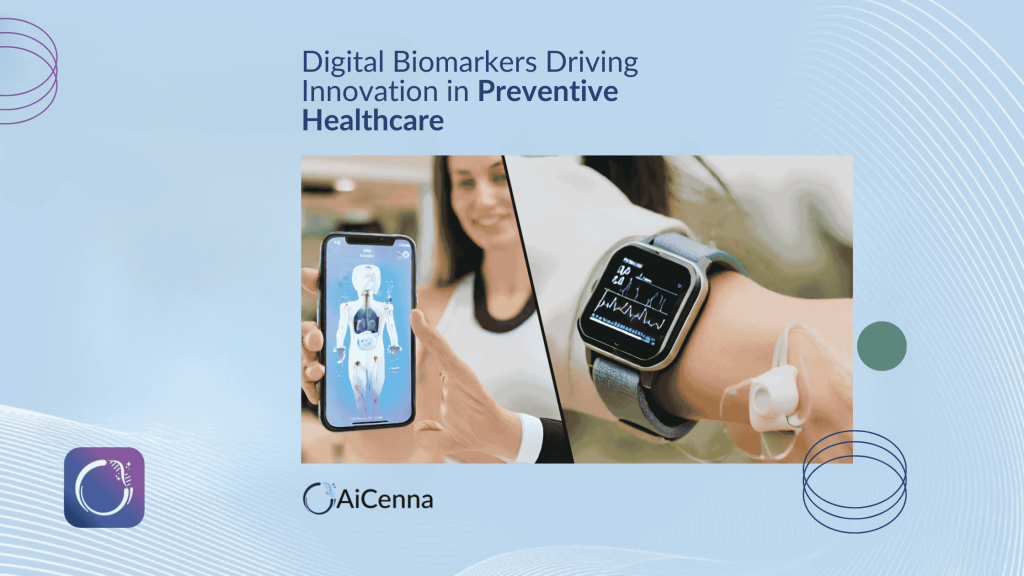
What Are Digital Biomarkers?
Digital biomarkers are defined as objective, quantifiable physiological and behavioral data collected and measured by digital devices. Unlike traditional biomarkers, which require lab tests or imaging, digital biomarkers are captured passively or actively through everyday technologies.
Examples include:
- Heart rate variability from smartwatches.
- Sleep patterns from wearable trackers.
- Gait and mobility data from smartphone accelerometers.
- Voice and speech analysis for neurological conditions.
- Continuous glucose monitoring from biosensors.
(Reference: Coravos et al., NPJ Digital Medicine, 2019.)
Why Digital Biomarkers Matter in Prevention
1. Continuous Monitoring Traditional biomarkers provide a single data point at a clinic visit. Digital biomarkers provide longitudinal data, capturing fluctuations and trends over time.
2. Early Detection Subtle changes in sleep, heart rate, or mobility may signal disease risk long before symptoms.
3. Personalization Digital biomarkers reflect real‑world behavior, allowing interventions tailored to individual lifestyles.
4. Accessibility Smartphones and wearables make health monitoring more accessible outside clinical settings.
Clinical Applications
1. Cardiovascular Disease
- Wearables detect atrial fibrillation through irregular pulse patterns.
- Heart rate variability predicts stress and cardiovascular risk. (Reference: Perez et al., NEJM, 2019 — Apple Heart Study.)
2. Diabetes and Metabolic Health
- Continuous glucose monitors (CGMs) provide real‑time glucose data.
- Digital biomarkers help identify prediabetes and guide lifestyle interventions.
3. Neurology
- Voice analysis detects early signs of Parkinson’s disease.
- Smartphone tapping speed and gait analysis predict cognitive decline. (Reference: Arora et al., NPJ Digital Medicine, 2019.)
4. Mental Health
- Sleep and activity patterns correlate with depression and anxiety.
- Smartphone usage data can predict relapse in bipolar disorder.
5. Respiratory Health
- Digital spirometers and cough analysis apps monitor asthma and COPD.
Benefits for Preventive Health
- Proactive care: Detecting risk before disease develops.
- Patient empowerment: Individuals can track their own health in real time.
- Population health: Aggregated data reveals trends for public health planning.
- Cost savings: Preventing disease reduces long‑term healthcare costs.
Challenges and Limitations
1. Accuracy and Validation
- Consumer devices vary in reliability.
- Clinical validation is essential before widespread adoption.
2. Data Overload
- Continuous monitoring generates massive datasets.
- Clinicians need tools to interpret data meaningfully.
3. Privacy and Security
- Digital biomarkers involve sensitive personal data.
- Strong safeguards are required to prevent misuse.
4. Equity
- Access to wearables and smartphones is uneven, risking disparities.
(Reference: FDA Digital Health Innovation Action Plan, 2017.)
Case Studies
- Apple Heart Study (2019): Over 400,000 participants used Apple Watches to detect atrial fibrillation. The study demonstrated feasibility of large‑scale digital biomarker research.
- Diabetes Prevention: CGM data combined with AI algorithms predicted glycemic excursions and guided dietary interventions.
- Parkinson’s Disease: Digital biomarkers from smartphones predicted disease progression more accurately than clinical scales in some studies.
The Future of Digital Biomarkers
1. Multi‑modal Integration
- Combining heart rate, sleep, activity, and voice data for holistic risk prediction.
2. AI‑Driven Insights
- Machine learning will detect subtle patterns invisible to humans.
3. Regulatory Frameworks
- FDA and EMA are developing pathways for digital biomarker validation.
4. Preventive Ecosystems
- Integration with electronic health records and telemedicine platforms.
5. Global Health
- Low‑cost smartphone‑based biomarkers could expand preventive care in resource‑limited settings.
(Reference: Nature Medicine, 2021 — “Digital biomarkers in preventive health.”)
Conclusion
Digital biomarkers represent a paradigm shift in preventive medicine. By moving from episodic, clinic‑based measurements to continuous, real‑world monitoring, they enable earlier detection, more personalized interventions, and greater patient empowerment.
The challenge now is to ensure accuracy, privacy, and equity. If achieved, digital biomarkers could become as central to preventive health as blood pressure cuffs and stethoscopes once were — ushering in a new era where disease is detected and prevented long before it takes hold.