
Introduction
A decade ago, most people thought of wearables as glorified pedometers. Today, the same devices can detect irregular heart rhythms, monitor oxygen saturation, and even alert emergency services in real time. Alongside consumer gadgets, a new generation of biosensors — from continuous glucose monitors to smart patches — is transforming how health is tracked and managed. This shift represents one of the most significant changes in modern medicine: the migration of monitoring from the clinic to the wrist, skin, or pocket.
The Evolution of Wearables
- Early devices: Step counters and calorie trackers dominated the early 2000s.
- Smartwatches: Apple Watch, Fitbit, and Garmin expanded into heart rate, sleep, and activity tracking.
- Medical-grade features: FDA clearance for Apple Watch’s ECG app (2018) marked a turning point, showing that consumer devices could cross into regulated healthcare.
(Reference: U.S. Food and Drug Administration, 2018 — Apple Watch ECG clearance.)
What Are Biosensors?
Biosensors are devices that detect biological signals (like glucose, lactate, or cortisol) and convert them into measurable data. Unlike general wearables, biosensors are often continuous, minimally invasive, and clinically validated.
Examples include:
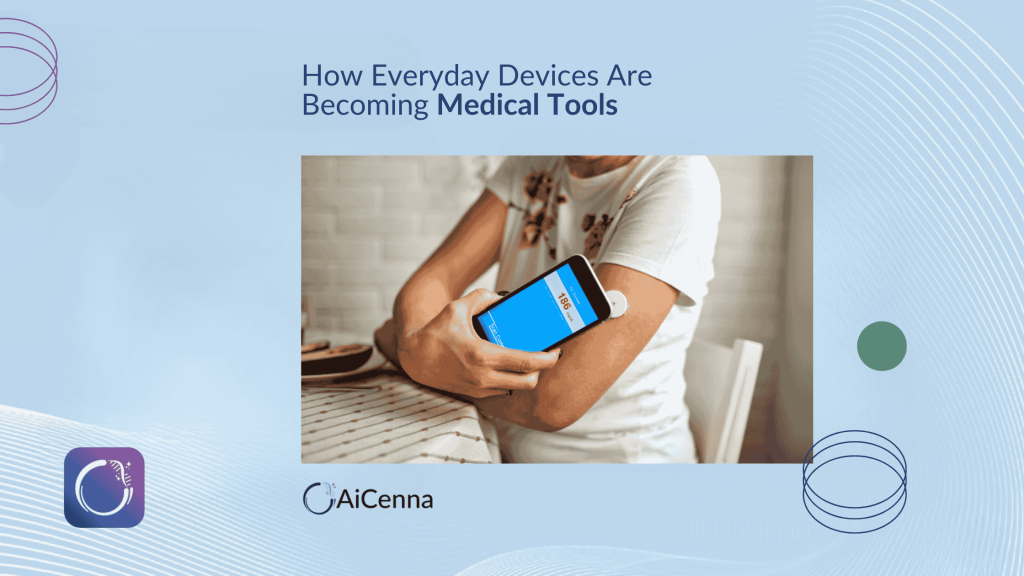
- Continuous glucose monitors (CGMs): Devices like Dexcom G6 and Abbott’s FreeStyle Libre provide real-time glucose readings for diabetes management.
- Smart patches: Adhesive sensors that track hydration, electrolytes, or drug levels.
- Implantable sensors: Devices under the skin that monitor cardiac rhythms or pressure.
(Reference: Nature Biomedical Engineering, 2020 — review on wearable biosensors.)
Clinical Applications
- Cardiology
- Wearables can detect atrial fibrillation, a major risk factor for stroke.
- Remote monitoring reduces hospital readmissions for heart failure patients.
- Endocrinology
- CGMs have revolutionized diabetes care, reducing hypoglycemia and improving HbA1c outcomes.
- Pulmonology
- Pulse oximeters in wearables became critical during COVID-19 for early hypoxia detection.
- Sports Medicine
- Lactate sensors and hydration trackers help athletes optimize performance and recovery.
(References: Journal of the American College of Cardiology, 2019; Diabetes Care, 2021; Lancet Digital Health, 2020.)
Benefits and Opportunities
- Early detection: Subtle changes in heart rate variability or oxygen saturation can flag illness before symptoms.
- Patient empowerment: Individuals gain real-time feedback on lifestyle choices.
- Healthcare efficiency: Remote monitoring reduces unnecessary clinic visits.
- Big data potential: Aggregated wearable data can inform population health trends.
Challenges and Limitations
- Accuracy: Consumer devices vary in reliability; not all are validated against clinical gold standards.
- Data overload: Patients and clinicians may struggle to interpret continuous streams of information.
- Privacy: Sensitive health data raises concerns about security and misuse.
- Equity: Access to wearables is uneven, potentially widening health disparities.
(Reference: Journal of Medical Internet Research, 2022 — systematic review on wearable accuracy and equity.)
The Future of Biosensing
- Non-invasive glucose monitoring: Long pursued, still under development.
- Multi-analyte sensors: Devices that track multiple biomarkers simultaneously (e.g., glucose + lactate + cortisol).
- Integration with AI: Predictive analytics could turn raw data into actionable insights.
- Preventive medicine: Continuous monitoring may shift healthcare from reactive treatment to proactive prevention.
(Reference: Nature Medicine, 2021 — AI and biosensor integration.)
Conclusion
Wearables and biosensors are no longer novelties — they are becoming integral medical tools. While challenges remain in accuracy, privacy, and accessibility, the trajectory is clear: healthcare is moving closer to the individual, powered by sensors that fit seamlessly into daily life. The future of medicine may not be confined to hospitals and clinics, but worn, patched, or implanted on the body itself.