
Introduction
When we think about preventive health, we often focus on diet, exercise, sleep, and medical check‑ups. Yet one of the most powerful predictors of long‑term health is less obvious: social connection. Humans are inherently social beings, and our relationships — or lack thereof — profoundly shape our physical and mental well‑being.
In recent years, loneliness has emerged as a significant public health concern. Research shows that chronic loneliness is as harmful to health as smoking 15 cigarettes a day, and more dangerous than obesity. Understanding why social connections matter, and how loneliness damages health, is essential for building a more holistic approach to prevention.
The Science of Social Connection
Social connection refers to the sense of belonging and closeness we feel with others. It includes:
- Structural connections: The size and diversity of one’s social network.
- Functional connections: The support provided by relationships (emotional, informational, practical).
- Quality of relationships: Trust, intimacy, and reciprocity.
These dimensions interact to influence health outcomes. A large network without meaningful support may not protect health, while even a few close, supportive relationships can be profoundly protective.
(Reference: Berkman & Glass, Social Epidemiology, 2000.)
Loneliness vs. Social Isolation
- Social isolation: Objective lack of social contact (living alone, few interactions).
- Loneliness: Subjective feeling of being disconnected, regardless of actual social contact.
Both are harmful, but loneliness — the perception of being alone — is particularly damaging because it activates stress pathways in the brain.
(Reference: Cacioppo & Cacioppo, Ann Rev Psychol, 2018.)
How Loneliness Affects the Body
1. Stress Response
- Loneliness activates the hypothalamic‑pituitary‑adrenal (HPA) axis, increasing cortisol.
- Chronic cortisol elevation contributes to hypertension, diabetes, and immune suppression.
2. Immune Function
- Lonely individuals show reduced antiviral responses and increased inflammation.
- This makes them more vulnerable to infections and chronic inflammatory diseases.
3. Cardiovascular Health
- Loneliness is linked to higher blood pressure, greater arterial stiffness, and increased risk of heart disease.
4. Cognitive Decline
- Social isolation is associated with higher risk of dementia and faster cognitive decline.
- Mechanisms include reduced cognitive stimulation and increased vascular risk.
5. Mental Health
- Loneliness strongly predicts depression, anxiety, and suicidal ideation.
(References: Hawkley & Cacioppo, Curr Dir Psychol Sci, 2010; Holt‑Lunstad et al., PLoS Medicine, 2010.)
Loneliness as a Public Health Risk
In 2023, the U.S. Surgeon General declared loneliness an epidemic, citing its widespread prevalence and health consequences. Similar concerns have been raised globally, particularly in aging populations.
Key statistics:
- About 1 in 3 adults over 45 report feeling lonely.
- Social isolation increases risk of premature death by 29%.
- Loneliness is associated with a 50% increased risk of dementia.
(Reference: U.S. Surgeon General’s Advisory on Loneliness, 2023.)
Protective Power of Social Connections
1. Emotional Support
- Reduces stress and buffers against depression.
- Encourages healthier coping strategies.
2. Behavioral Influence
- Friends and family promote healthy behaviors (exercise, diet, medical adherence).
- Social norms discourage risky behaviors like smoking or excessive drinking.
3. Physiological Benefits
- Social interactions lower blood pressure and heart rate.
- Oxytocin release during bonding reduces stress hormones.
4. Cognitive Stimulation
- Conversations and shared activities keep the brain active, reducing dementia risk.
(Reference: Umberson & Montez, J Health Soc Behav, 2010.)
Who Is Most at Risk?
- Older adults: Retirement, widowhood, and mobility issues increase isolation.
- Young adults: Surprisingly, loneliness is also high among Gen Z and millennials, often linked to digital over‑connection but reduced face‑to‑face interaction.
- Caregivers: High stress and limited time for socializing.
- People with chronic illness or disability: Physical limitations can reduce social opportunities.
Interventions and Solutions
Individual Strategies
- Prioritize regular social contact (calls, visits, community groups).
- Volunteer or join clubs to build meaningful connections.
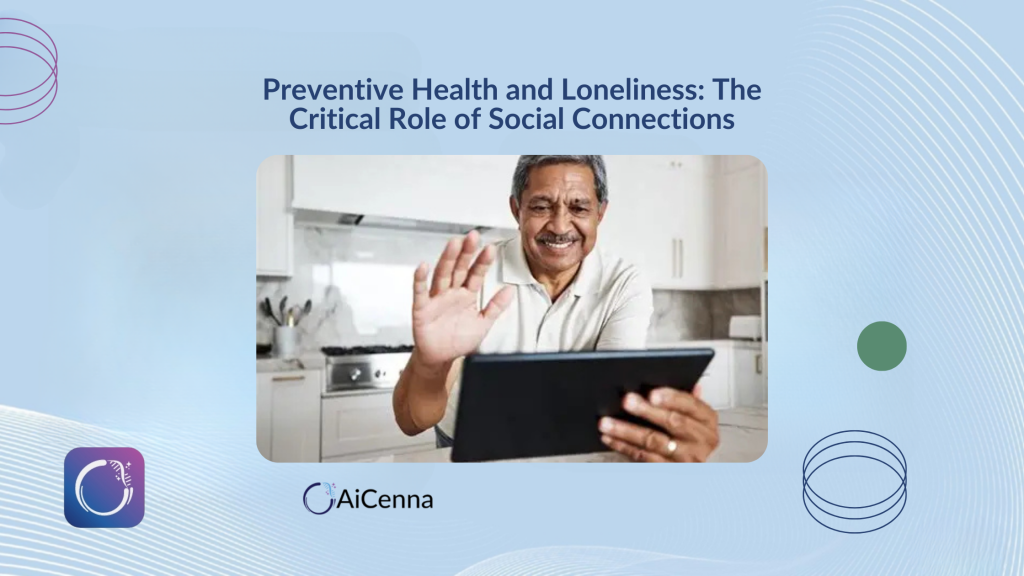
- Use technology to maintain ties, but balance with in‑person interaction.
Healthcare Approaches
- Screen for loneliness during routine visits.
- Refer patients to social prescribing programs (community activities, support groups).
- Integrate mental health support for those struggling with isolation.
Policy and Community Initiatives
- Urban design that fosters community interaction (parks, walkable neighborhoods).
- Programs for seniors (day centers, intergenerational housing).
- National campaigns to reduce stigma around loneliness.
(References: National Academies of Sciences, Engineering, and Medicine, 2020 — “Social Isolation and Loneliness in Older Adults.”)
Ethical Considerations
While promoting social connection is beneficial, it is important to respect individual differences. Some people value solitude and may not experience it as loneliness. Interventions should be supportive, not prescriptive, and should avoid pathologizing normal variations in social preference.
The Future of Social Health
- Digital tools: Virtual reality and online communities may provide meaningful connection if designed thoughtfully.
- Biomarkers of loneliness: Research is exploring physiological signatures of social isolation.
- Integration into preventive medicine: Social health may one day be tracked alongside blood pressure and cholesterol.
(Reference: Nature Human Behaviour, 2021 — “The biology of loneliness.”)
Conclusion
Loneliness is not just an emotional state — it is a biological stressor with profound consequences for health. Social connections, on the other hand, act as a powerful form of preventive medicine, protecting against chronic disease, cognitive decline, and premature death.
As healthcare shifts toward prevention, recognizing the role of social connection is essential. Building and maintaining relationships is not just a matter of happiness — it is a matter of health and longevity.