
Introduction
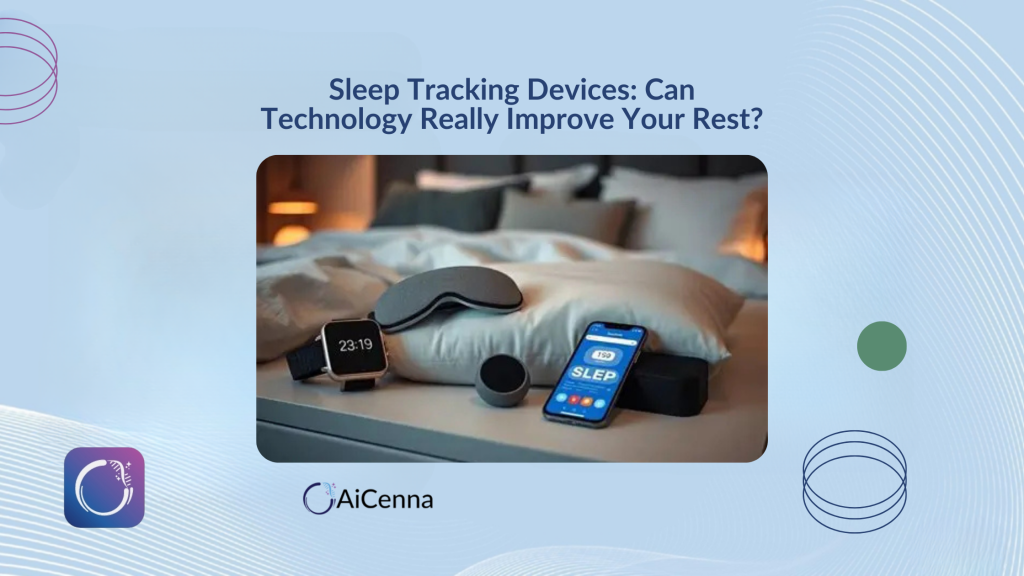
Sleep is one of the most fundamental pillars of health, yet it remains one of the least understood by the general public. While nutrition and exercise often dominate conversations about wellness, sleep is equally critical for memory, immunity, metabolism, and emotional regulation. In recent years, sleep tracking devices — from smartwatches to under‑mattress sensors — have promised to help people better understand and improve their rest.
But can technology really deliver on this promise? Or do sleep trackers risk creating more anxiety than benefit? This article explores the science of sleep, the technology behind trackers, their benefits and limitations, and what doctors say about using them responsibly.
The Science of Sleep
Sleep is not a uniform state but a cycle of distinct stages:
- NREM Stage 1 & 2: Light sleep, transition into deeper rest.
- NREM Stage 3 (slow‑wave sleep): Deep, restorative sleep critical for physical recovery.
- REM sleep: Characterized by dreaming, essential for memory consolidation and emotional processing.
A typical adult cycles through these stages 4–6 times per night. Disruptions to this architecture — whether from stress, illness, or environment — can impair health.
(Reference: Carskadon & Dement, Principles and Practice of Sleep Medicine, 2017.)
How Sleep Tracking Devices Work
Most consumer sleep trackers rely on actigraphy — measuring movement and sometimes heart rate to infer sleep stages. More advanced devices incorporate:
- Photoplethysmography (PPG): Optical sensors that detect blood flow to estimate heart rate variability.
- Accelerometers: Detect motion to distinguish sleep from wakefulness.
- Microphones: Capture snoring or breathing patterns.
- Under‑mattress sensors: Measure respiration and movement without being worn.
Clinical gold standards like polysomnography (PSG) — which measures brain waves, eye movements, and muscle activity — remain more accurate, but are impractical for daily use.
(Reference: de Zambotti et al., Sleep, 2019 — validation of consumer sleep trackers.)
Benefits of Sleep Tracking
1. Awareness and Accountability
- Many people underestimate how little they sleep. Trackers provide objective data, highlighting patterns of insufficient rest.
2. Behavior Change
- Seeing trends (e.g., late bedtimes, caffeine impact) can motivate healthier habits.
3. Early Detection
- Some devices can flag irregular breathing or heart rate patterns suggestive of sleep apnea or arrhythmias.
4. Integration with Lifestyle
- Linking sleep data with exercise and nutrition apps provides a holistic view of health.
(Reference: Chinoy et al., J Clin Sleep Med, 2021.)
Limitations and Risks
1. Accuracy Issues
- Consumer devices often misclassify sleep stages.
- Light sleep and wakefulness are particularly difficult to distinguish.
2. Orthosomnia
- A phenomenon where people develop anxiety about not sleeping well because their tracker shows “poor sleep.”
- This paradoxically worsens insomnia.
3. Data Overload
- Too much information without context can confuse rather than help.
4. Privacy Concerns
- Sleep data is sensitive health information. Questions remain about how companies store and use it.
(Reference: Baron et al., J Clin Sleep Med, 2017 — orthosomnia study.)
What Doctors Say
Sleep specialists generally view trackers as useful awareness tools, but not diagnostic devices.
- They can help patients recognize poor sleep habits.
- They should not replace medical evaluation for suspected sleep disorders.
- Doctors caution against obsessing over nightly scores; trends over weeks are more meaningful.
(Reference: American Academy of Sleep Medicine, 2020 position statement.)
Practical Tips for Using Sleep Trackers Wisely
- Focus on trends, not single nights.
- Pair data with subjective experience. How rested do you feel?
- Use trackers to test habits. For example, compare sleep after caffeine vs. no caffeine.
- Don’t chase perfect scores. Sleep is variable; fluctuations are normal.
- Seek medical advice if your tracker consistently shows irregular breathing, very short sleep, or poor recovery.
The Future of Sleep Technology
- Contactless sensors: Radar‑based systems that monitor sleep without wearables.
- AI integration: Algorithms predicting optimal bedtime and wake time.
- Clinical partnerships: Devices integrated into telemedicine for remote sleep disorder management.
- Personalized interventions: Tailored recommendations based on genetics, lifestyle, and environment.
(Reference: Nature Digital Medicine, 2022 — AI in sleep monitoring.)
Conclusion
Sleep tracking devices have opened a new window into one of the most mysterious aspects of human biology. While they cannot yet match the precision of clinical sleep studies, they can raise awareness, encourage healthier habits, and even flag potential disorders.
The key is balance: use trackers as guides, not judges. Technology can illuminate patterns, but the ultimate measure of good sleep is how you feel during the day — alert, focused, and resilient. In the end, the best sleep “score” is not on your wrist, but in your lived experience of health and vitality.